Çanakkale Onsekiz Mart Üniversitesi
Japon Dili Eğitimi Anabilim Dalı
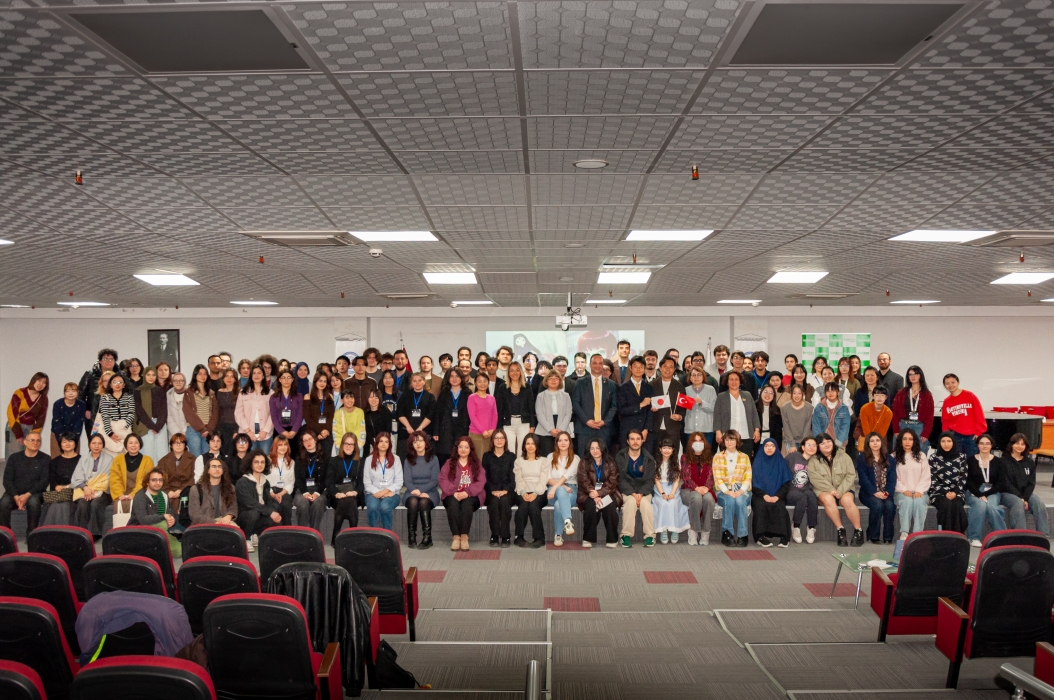
Between March 10–12, 2026, the Department of Japanese Language Education hosted a wide range of international guests from Japan, including students, academics, and artists, for a comprehensive series of workshops, conferences, and meetings.
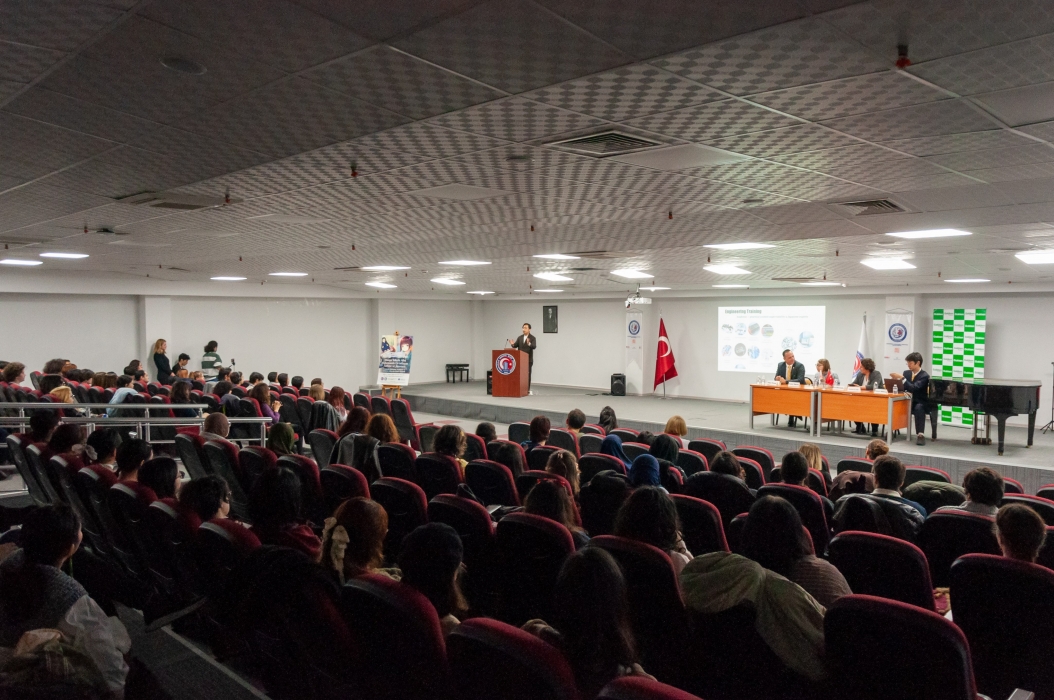
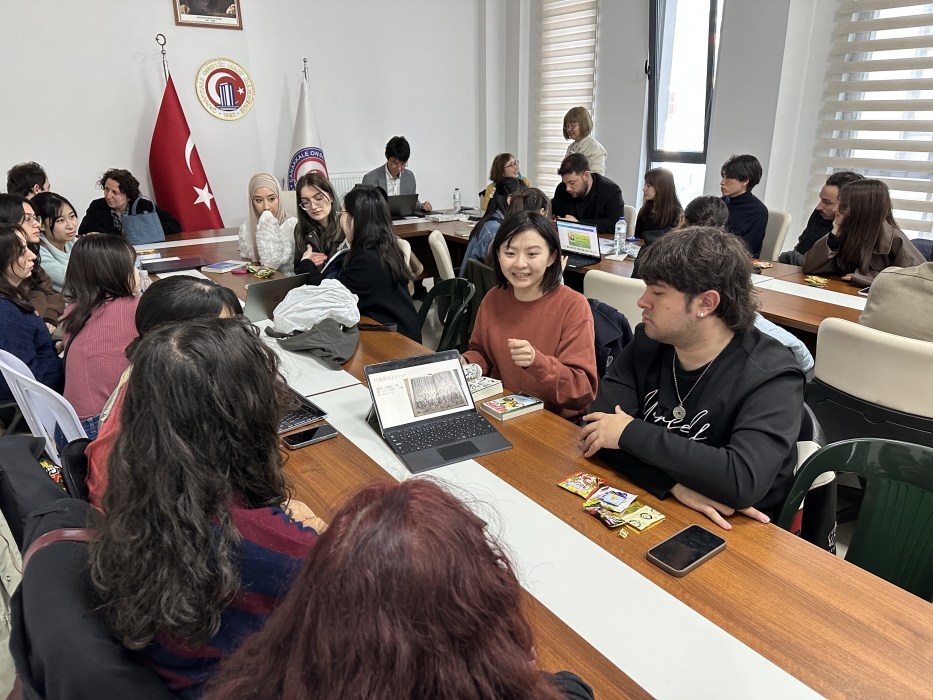
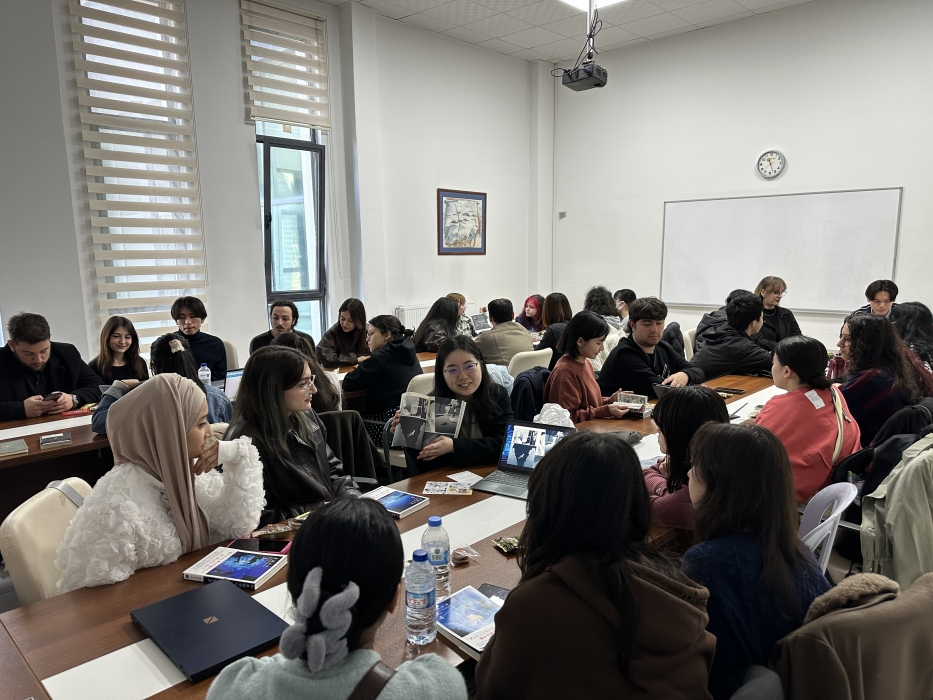
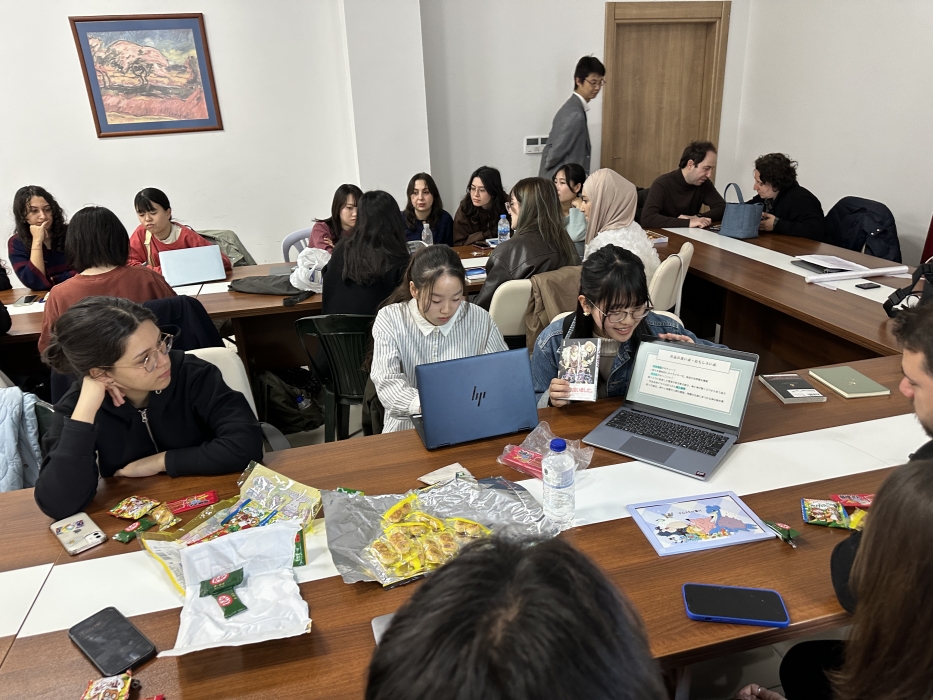
From March 10 to 12, 2026, the Department of Japanese Language Education hosted a diverse group of international guests from Japan—including students, scholars, and artists—facilitating a series of international workshops, conferences, and meetings. This three-day event spanned a broad spectrum of activities, ranging from academic discussions and artistic workshops to student-led sessions and cultural excursions.
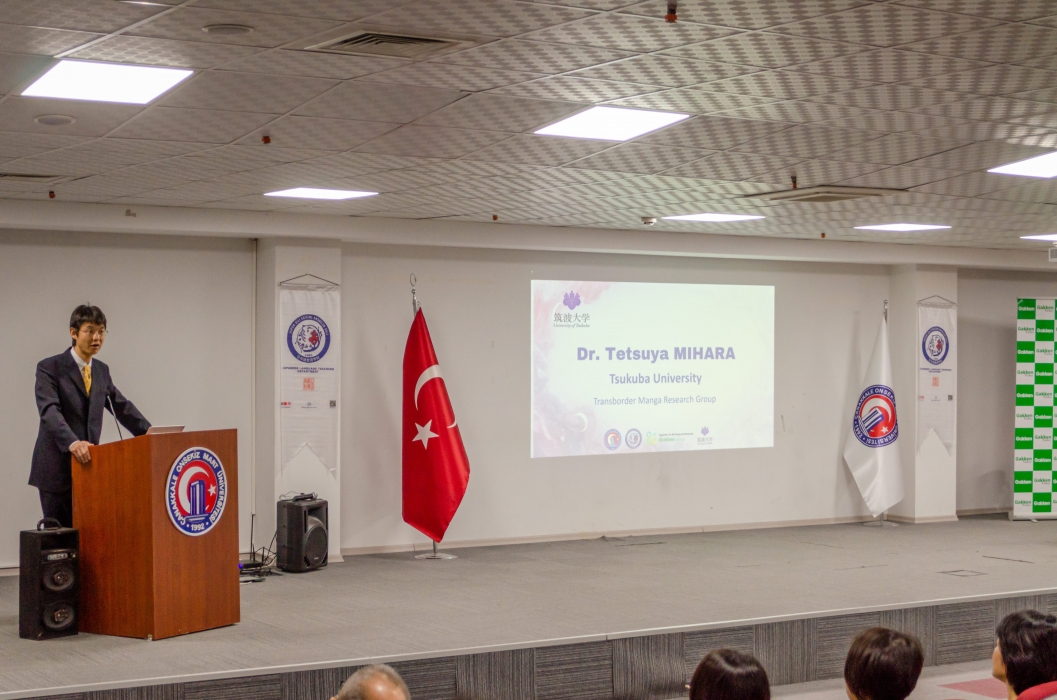
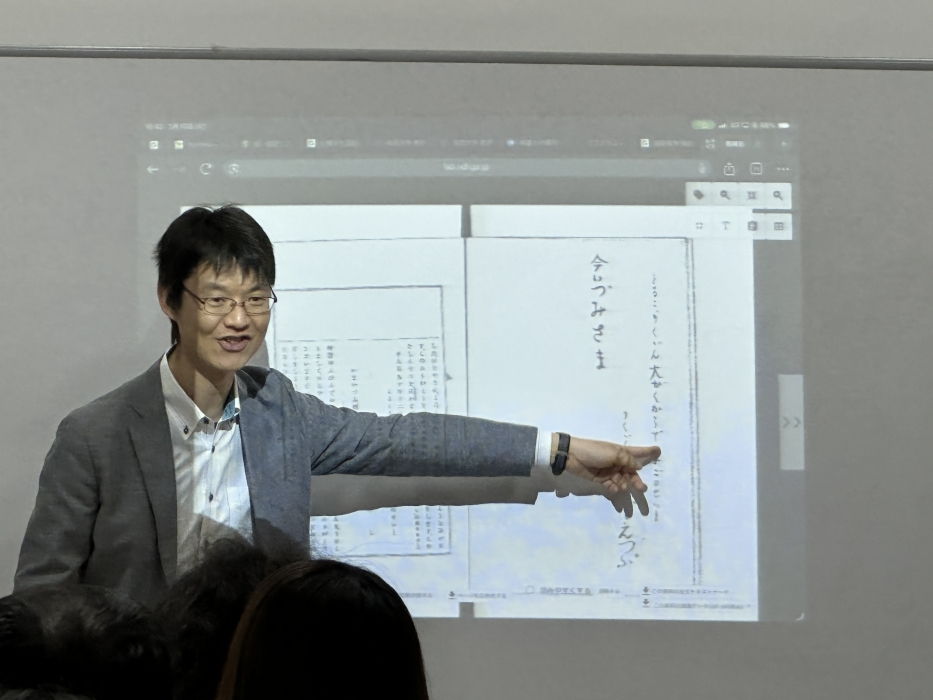
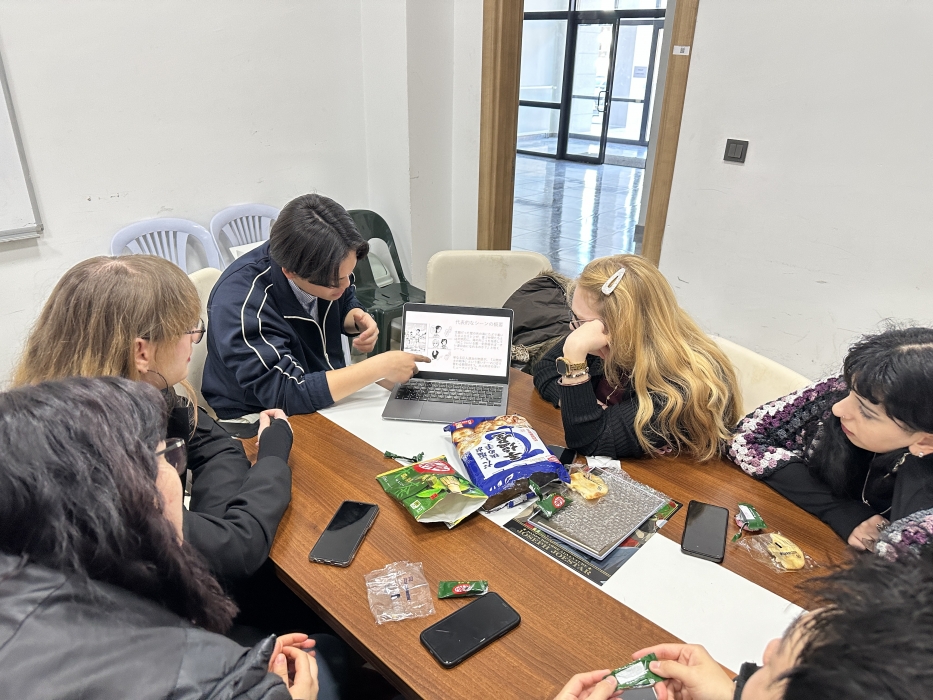
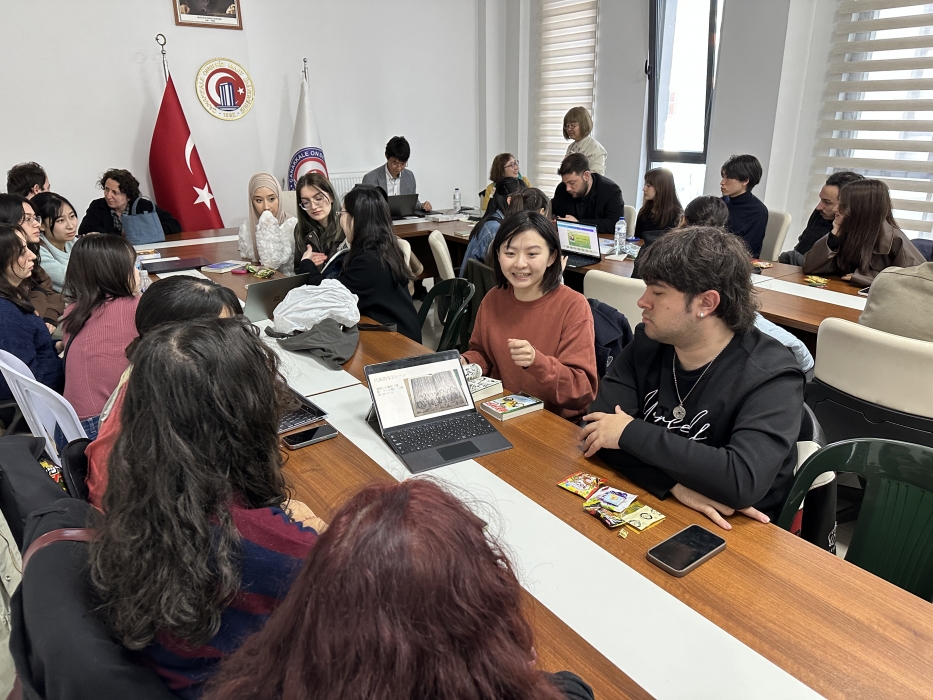
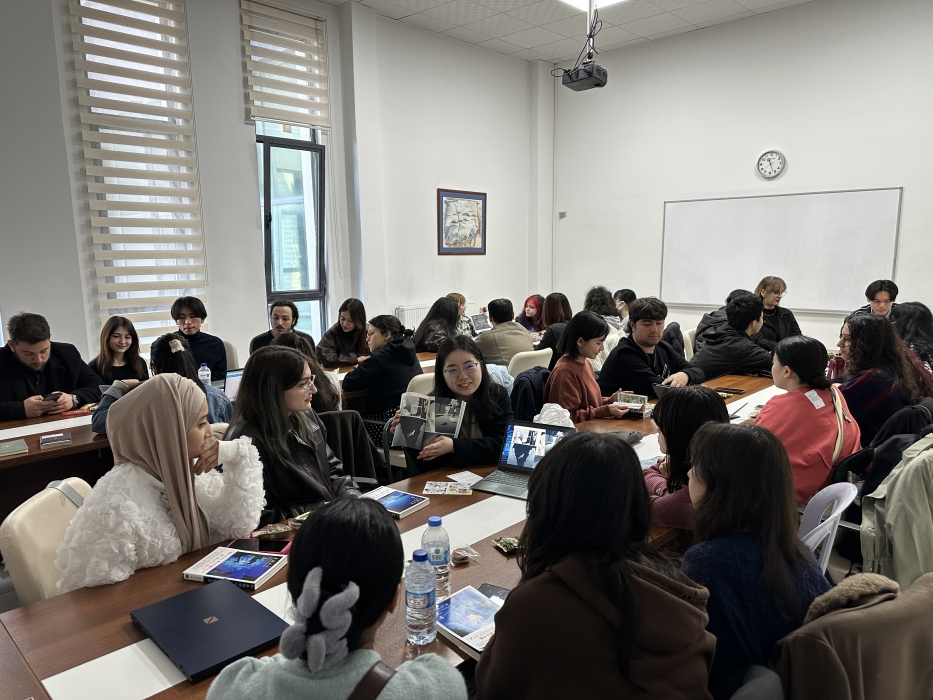
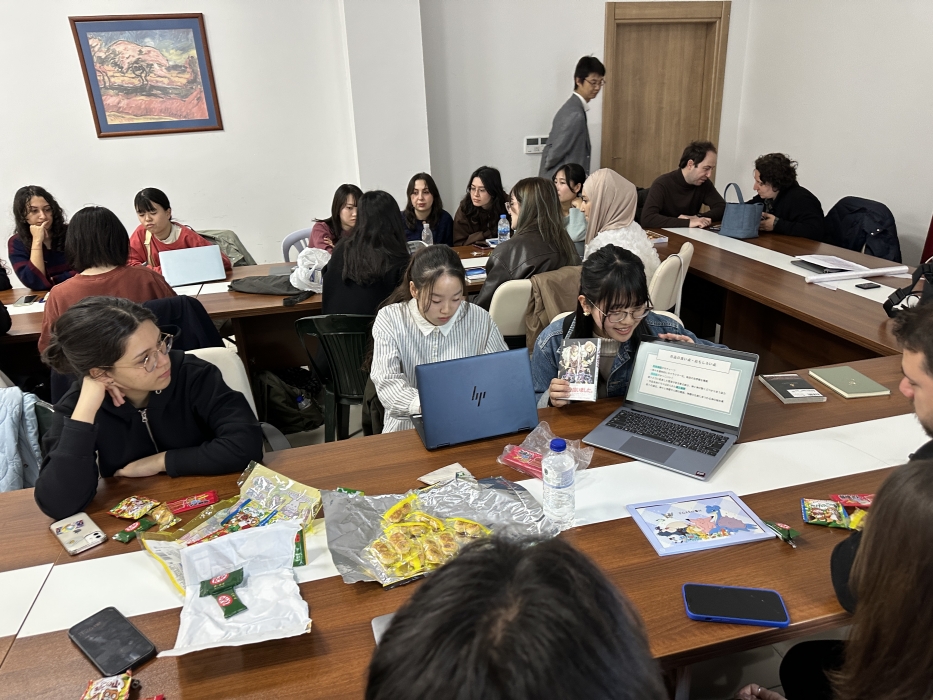
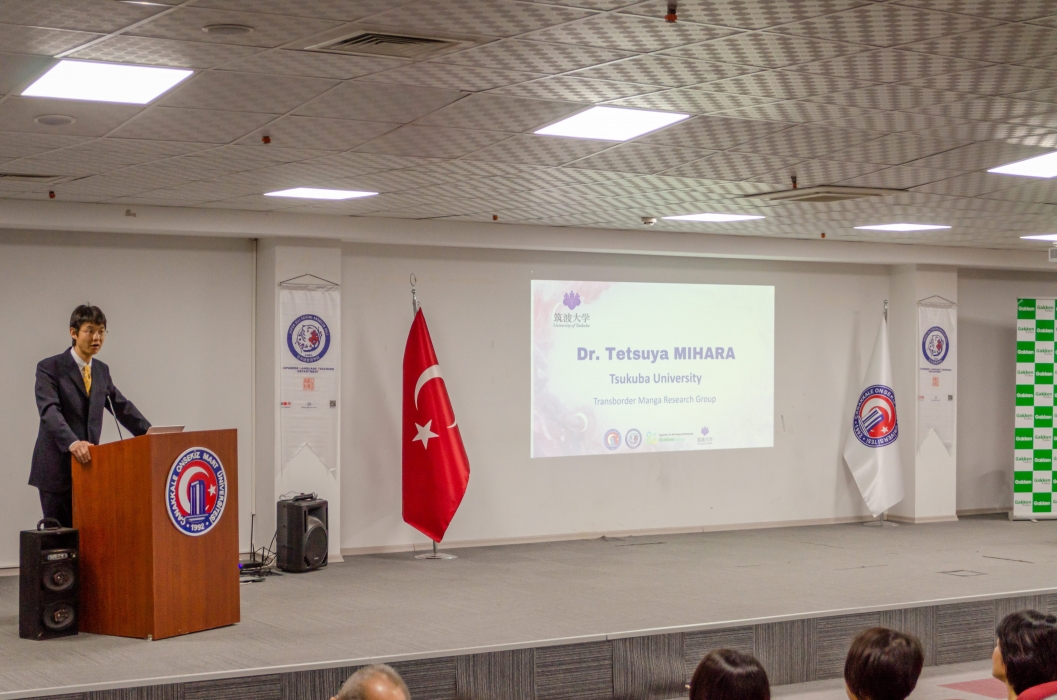
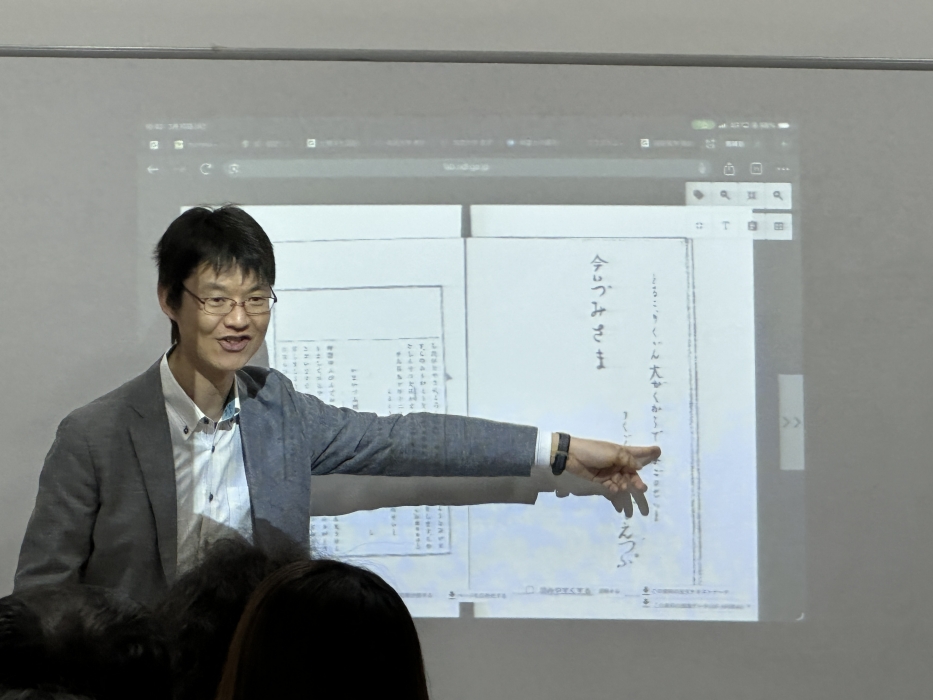
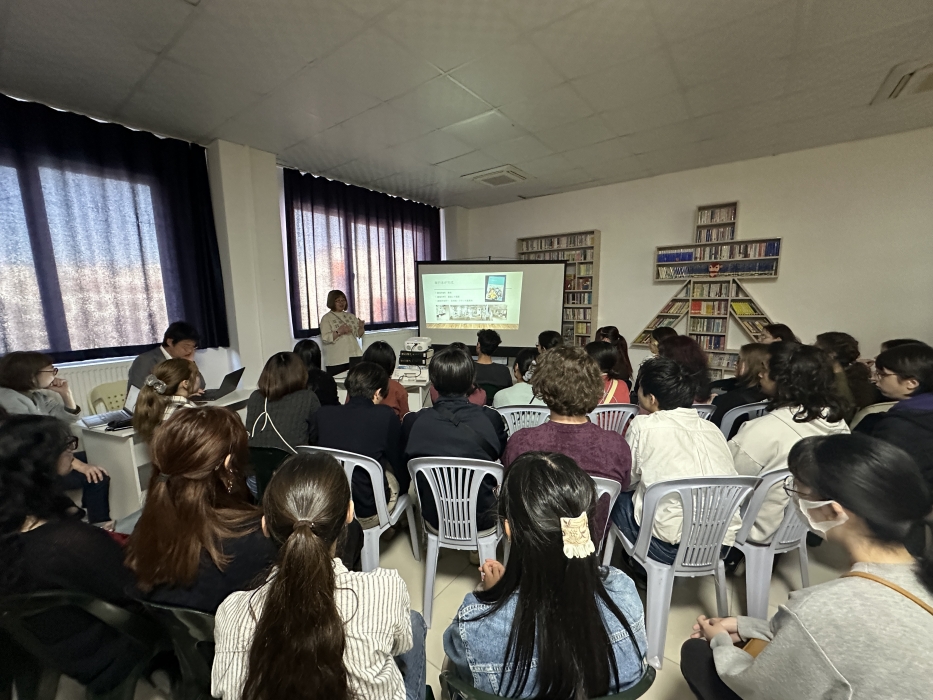
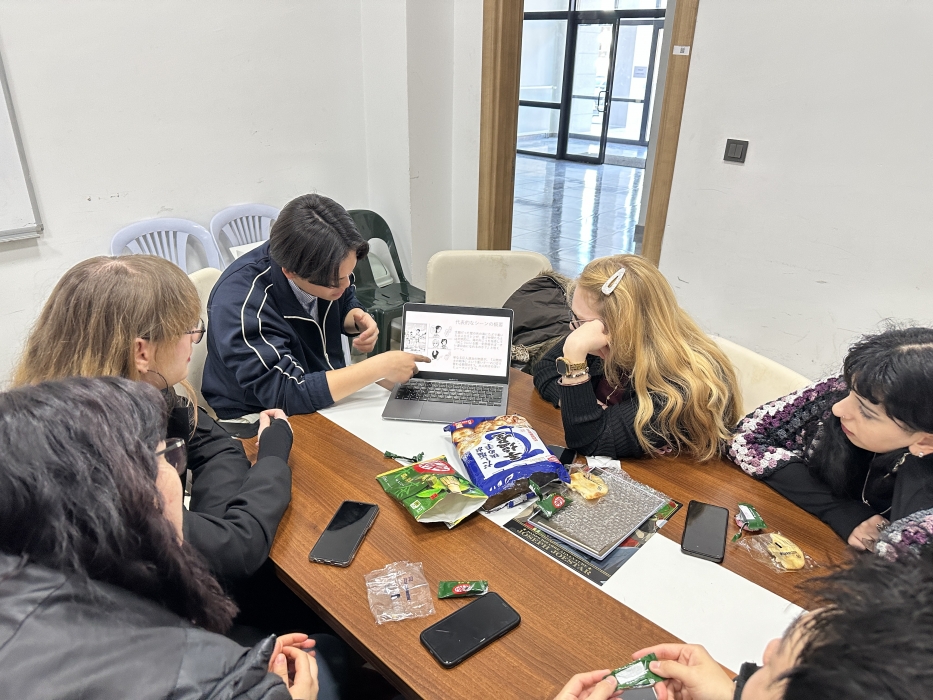
The festivities began on the morning of March 10 with a Student Workshop. Bringing together students from the University of Tsukuba and the Department of Japanese Language Education, the session fostered a vibrant exchange of ideas centered on popular culture and literary works. During the workshop, Dr. Tetsuya Mihara from the University of Tsukuba’s Transborder Manga Research Group delivered an impressive presentation on the history of Manga, detailing its developmental process and exploring the earliest Japanese writings regarding Türkiye.
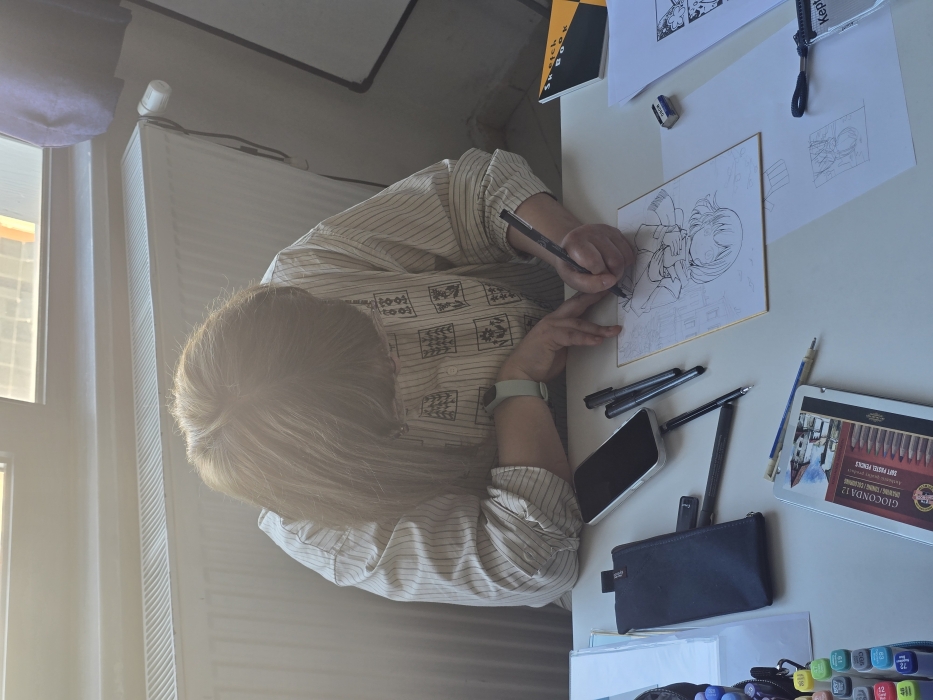
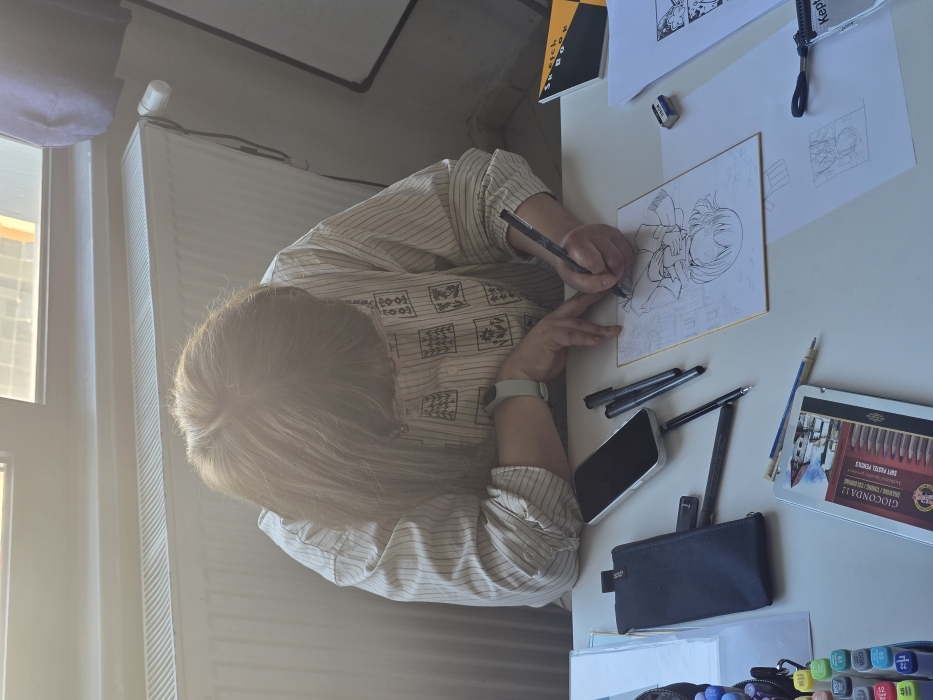
On the afternoon of March 10, award-winning Manga artist Hinata Kino conducted an exclusive workshop for departmental students. In this limited-capacity session, Kino explained the theoretical foundations of Manga art and provided live demonstrations of professional drawing techniques. Students had the unique opportunity to receive direct mentorship from a master artist while working on their own original character designs.
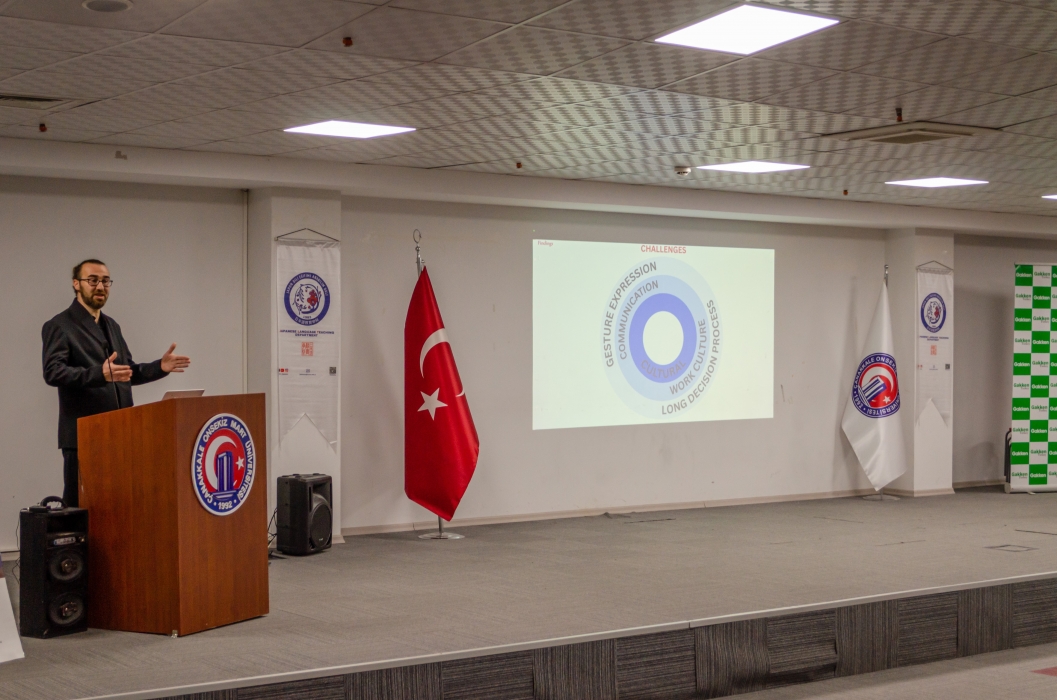
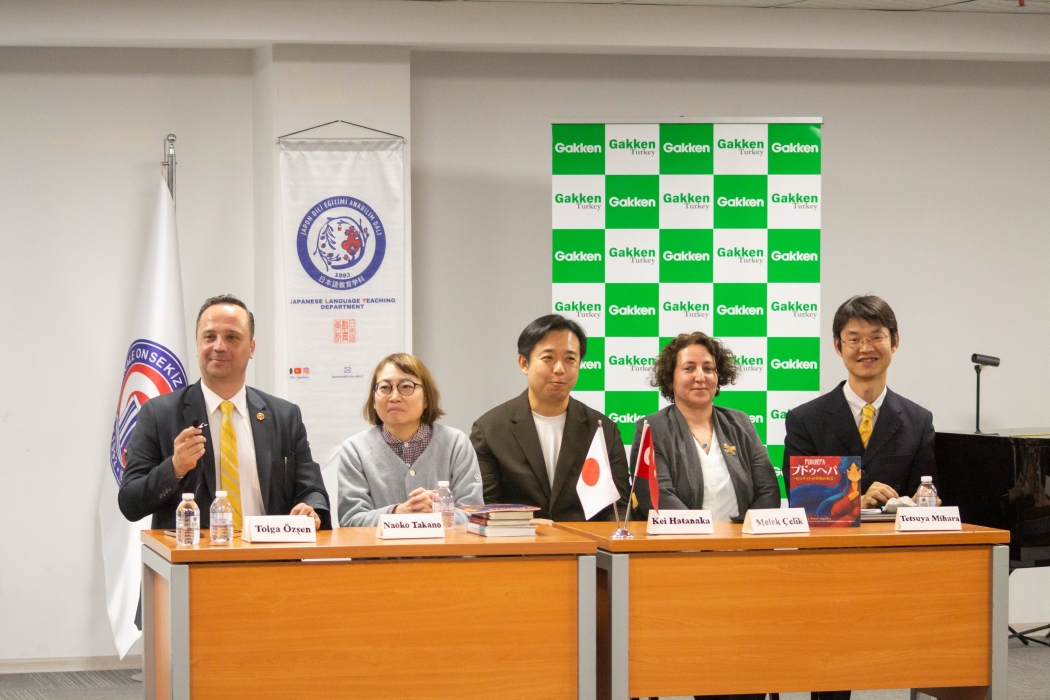
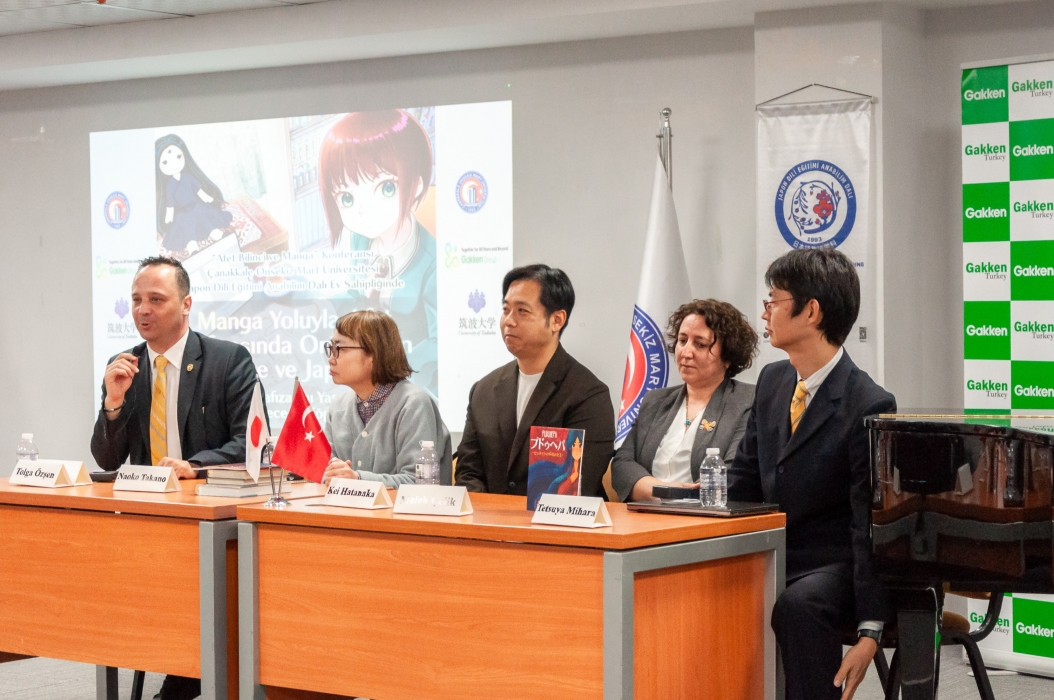
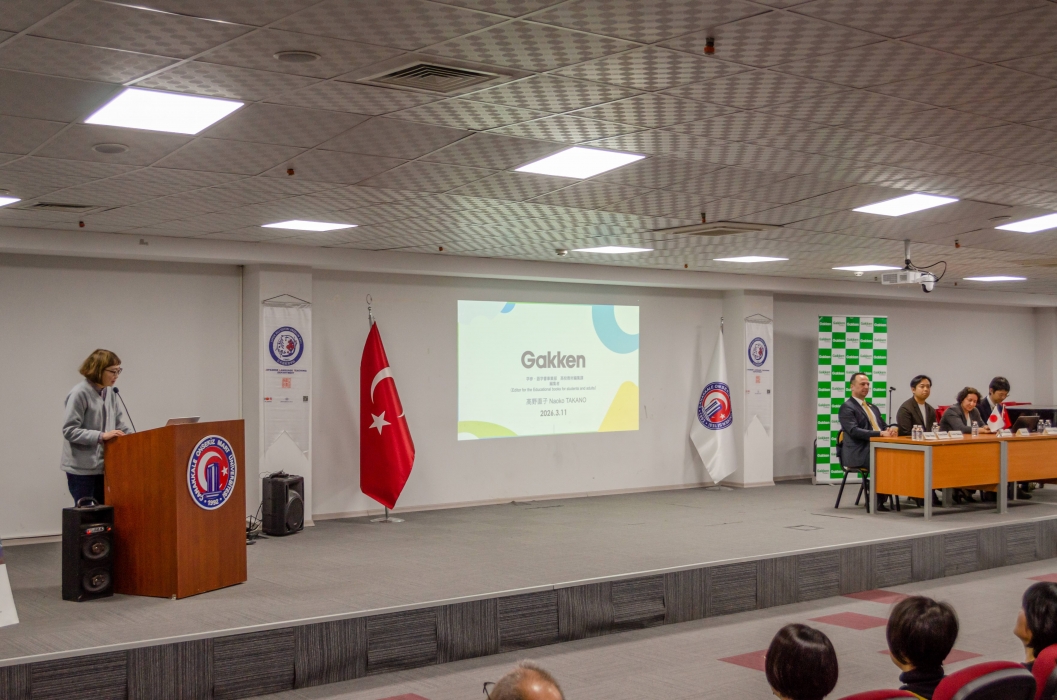
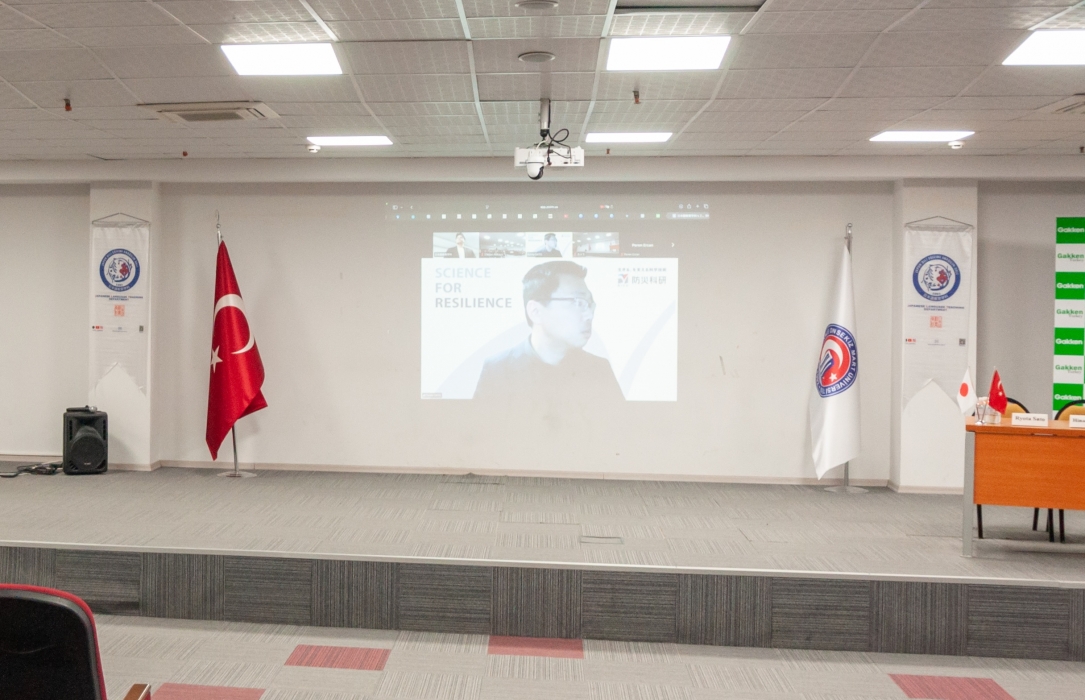
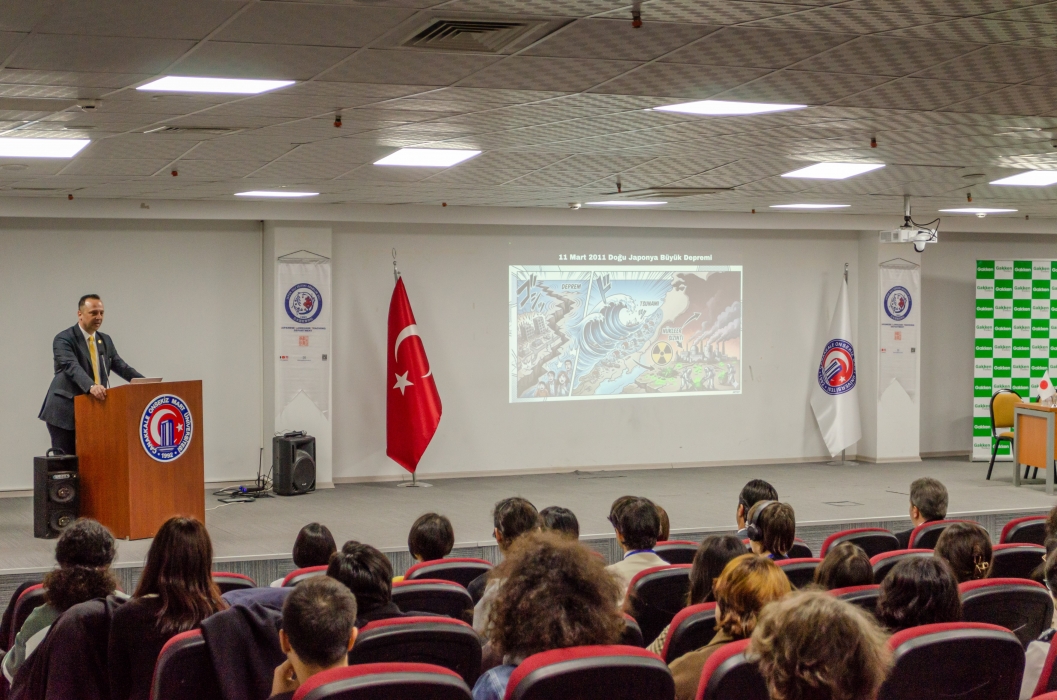
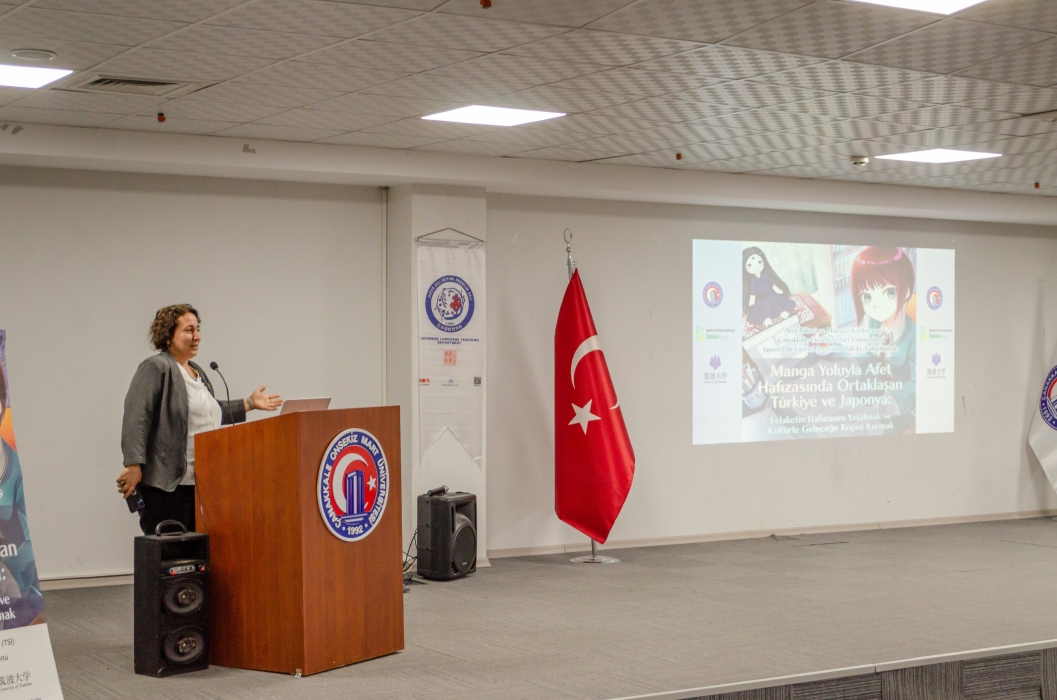
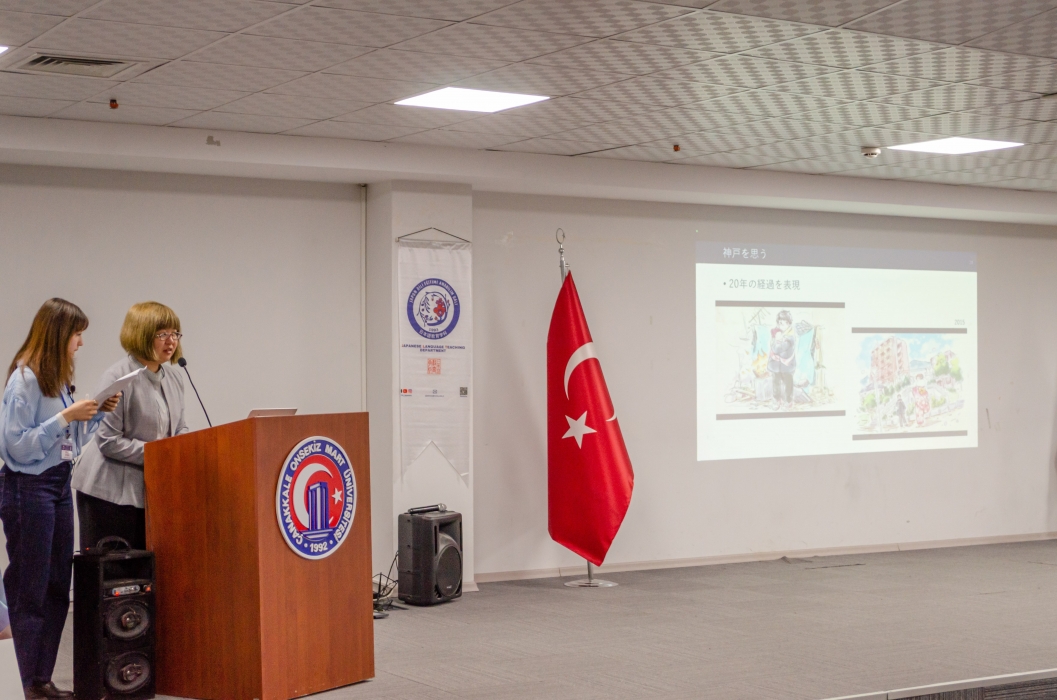
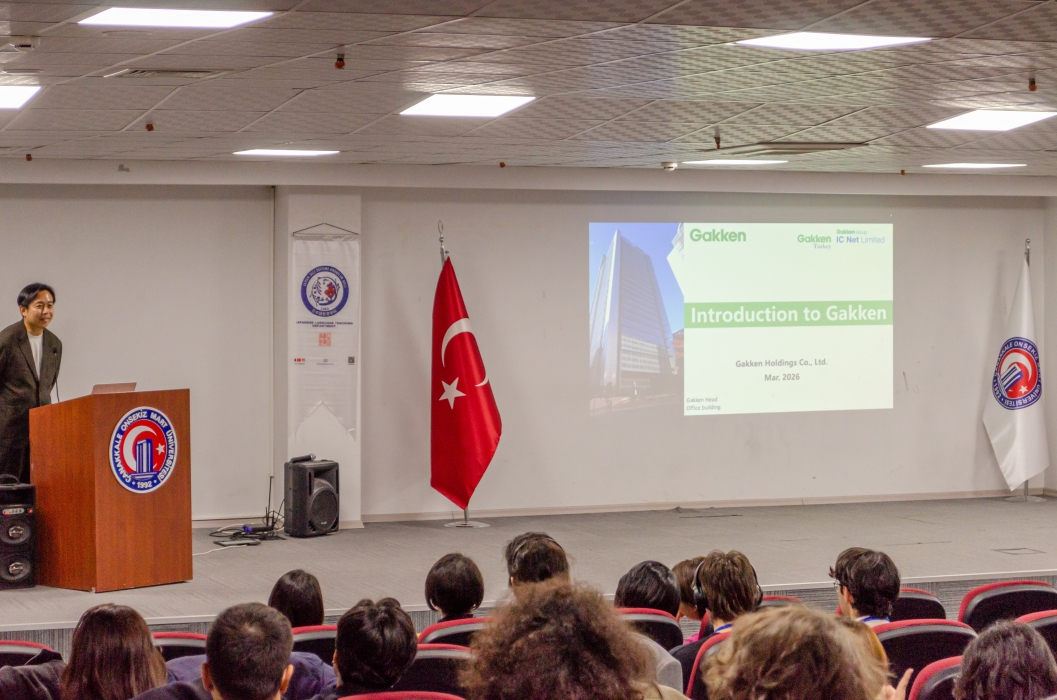
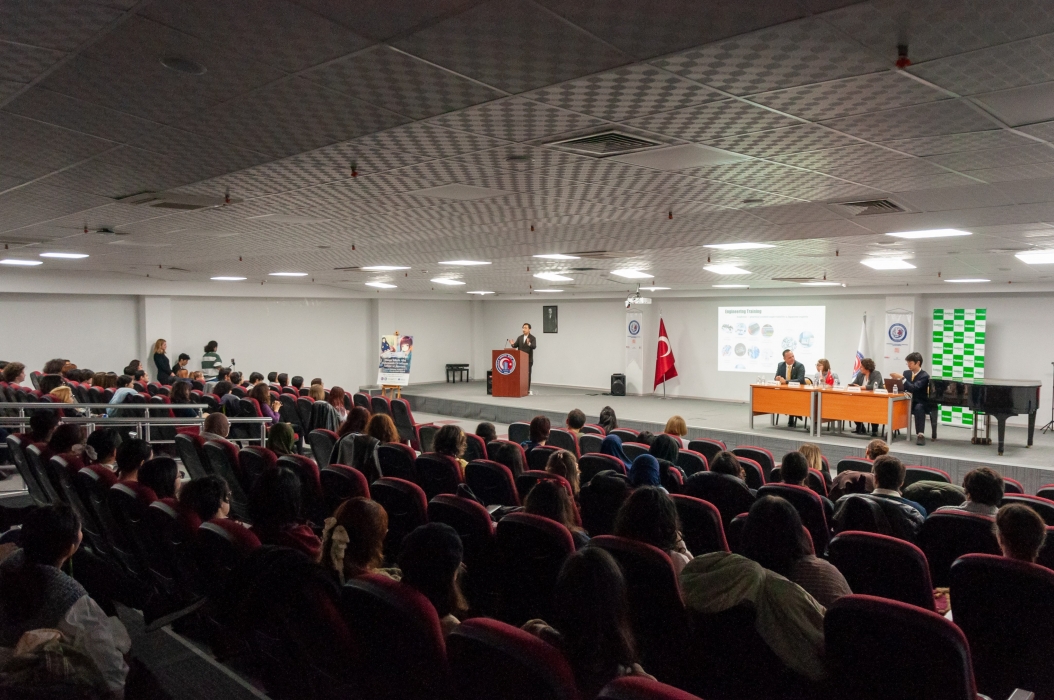
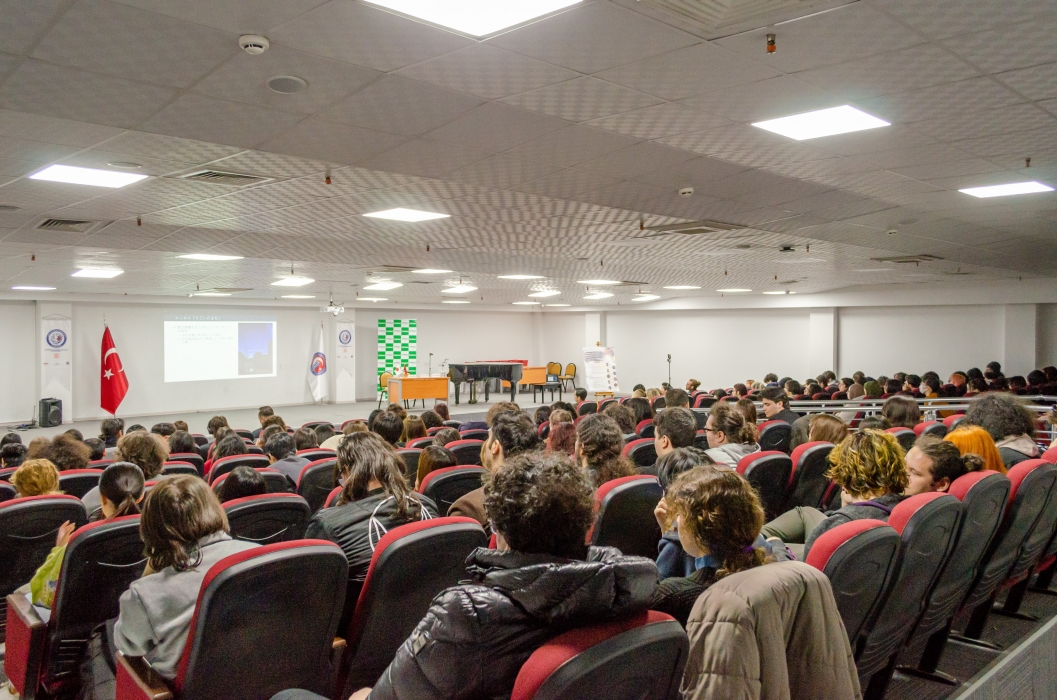
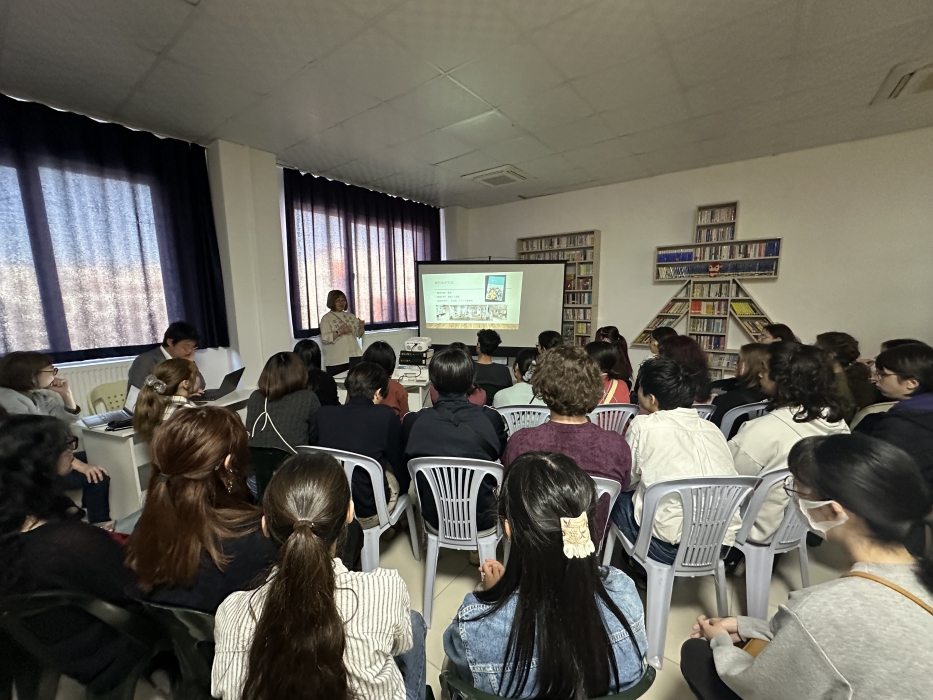
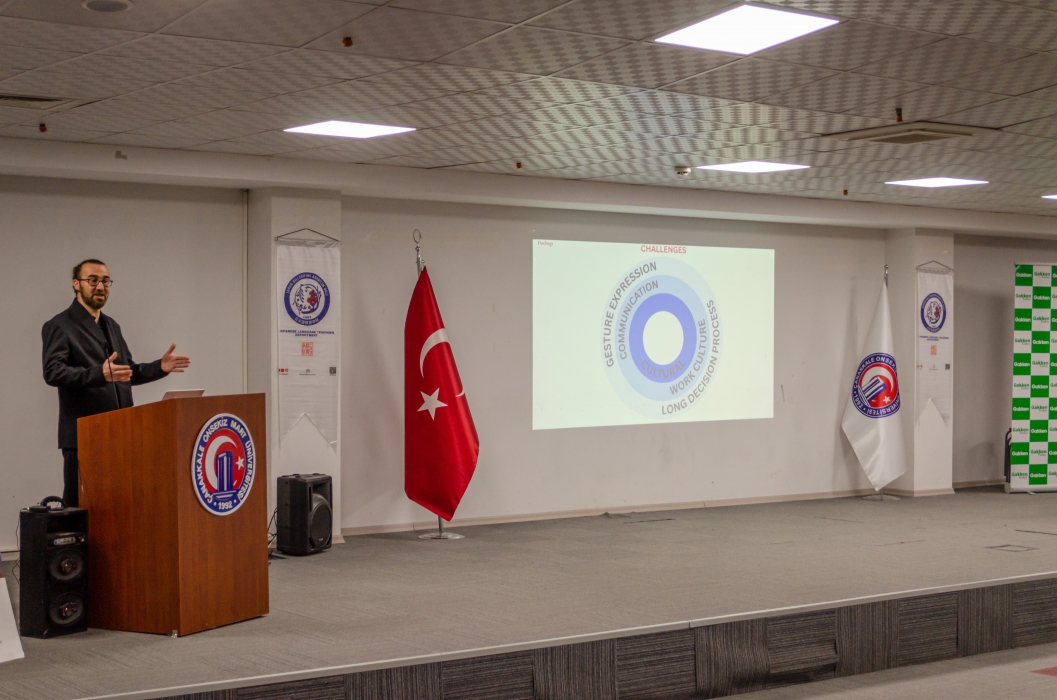
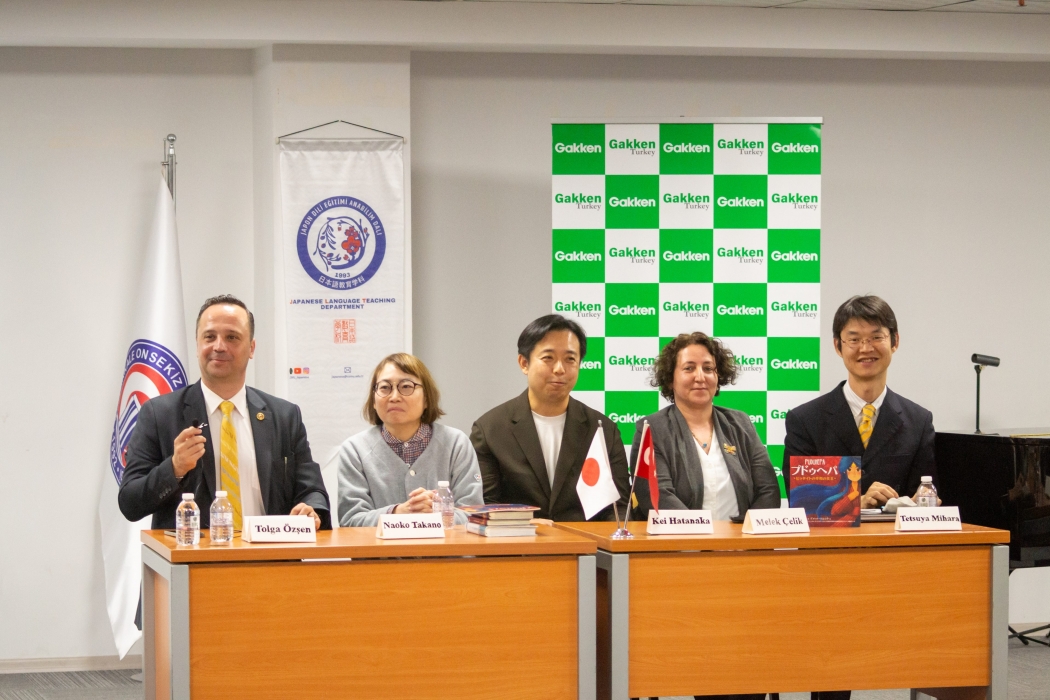
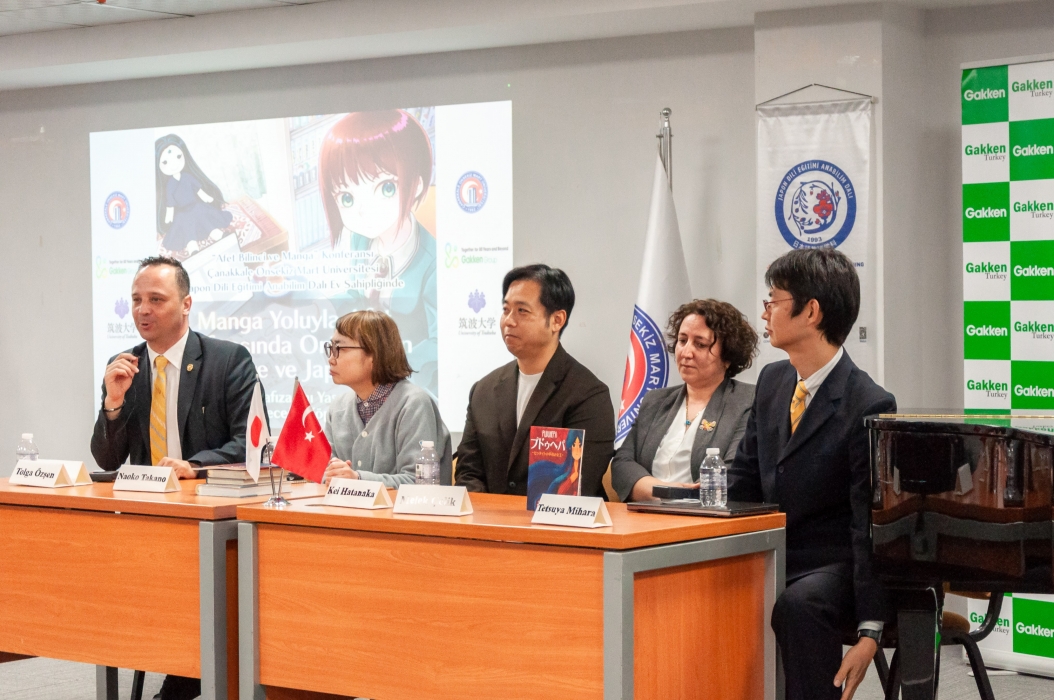
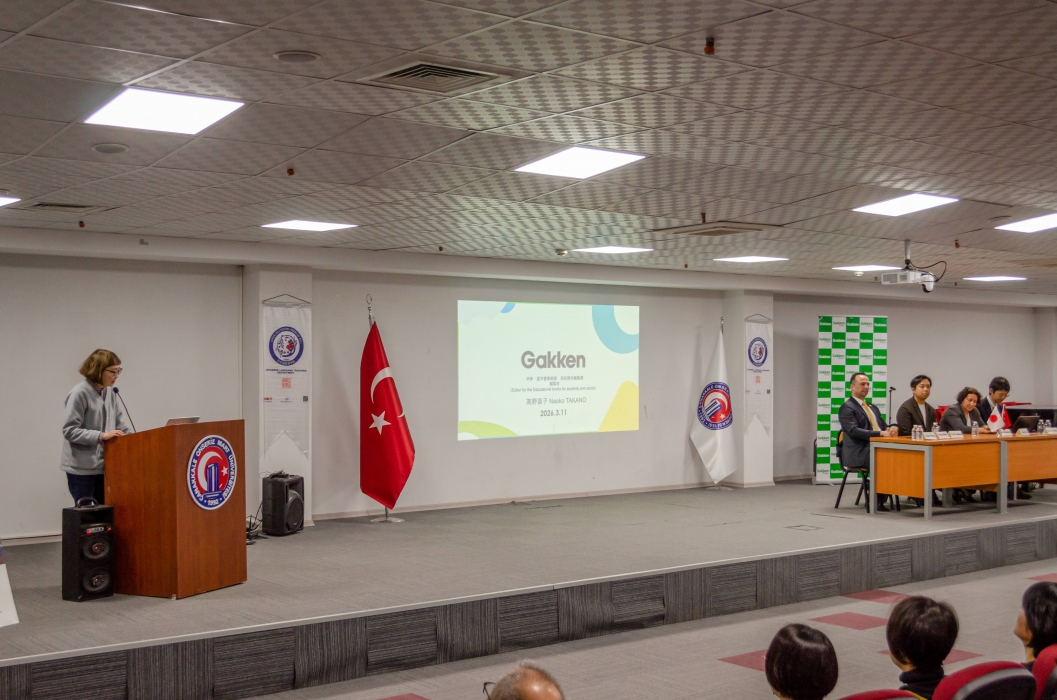
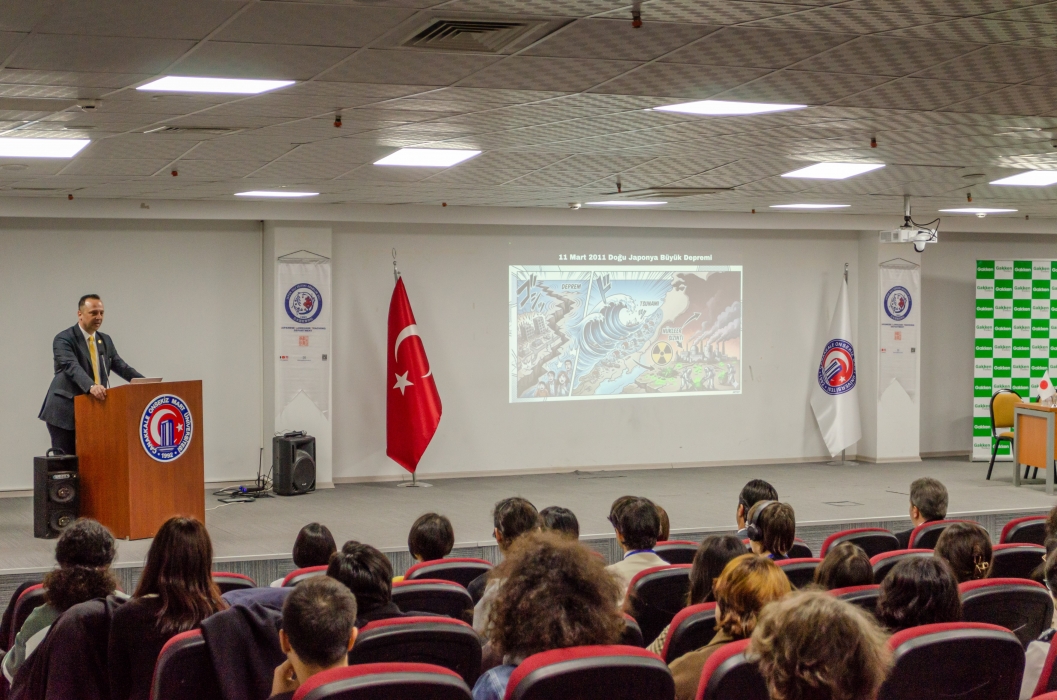
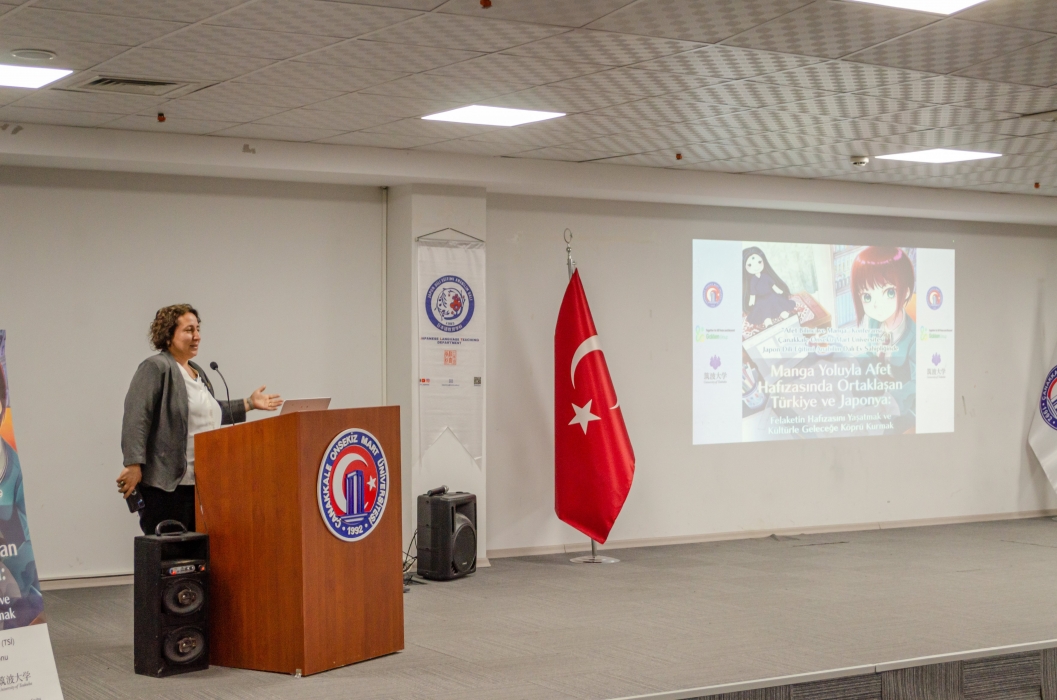
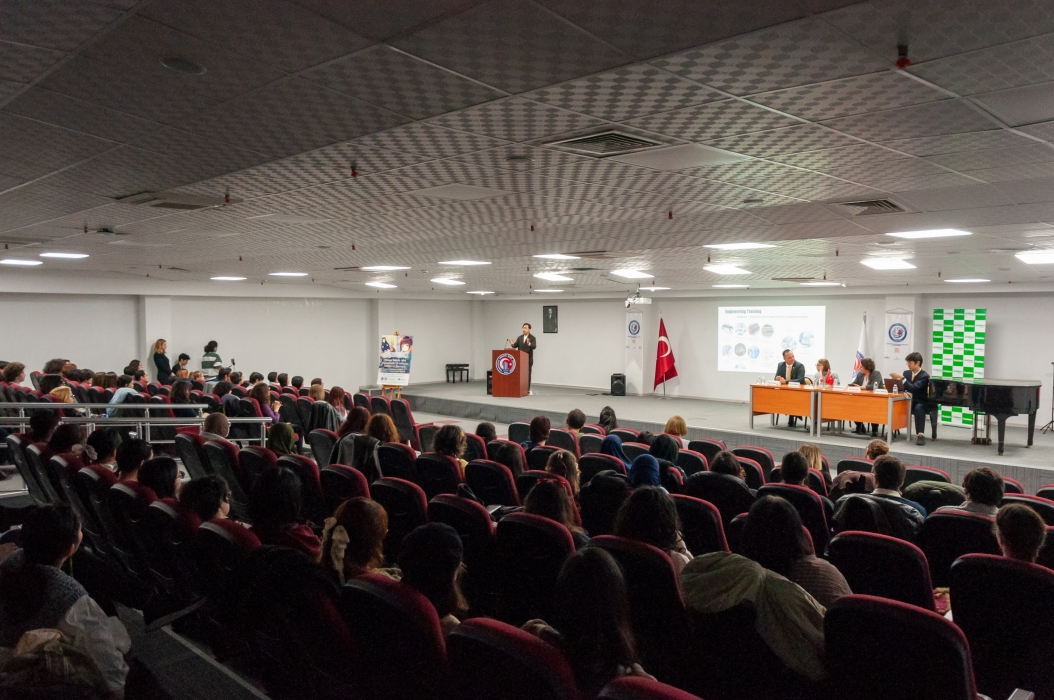
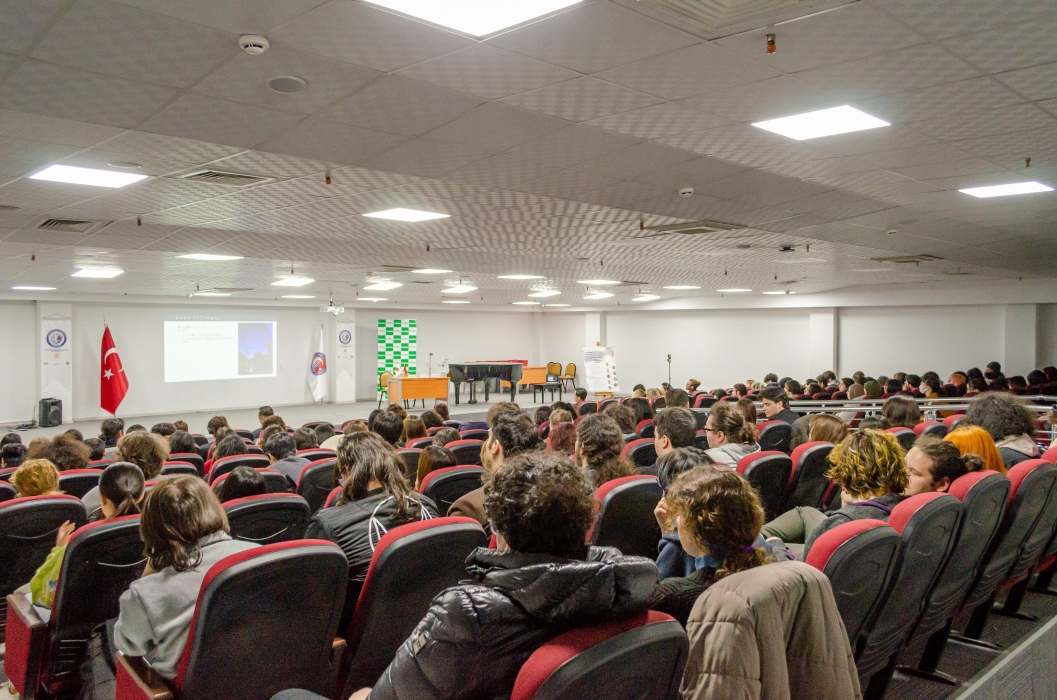
The centerpiece of the program, an international conference, took place on March 11 at the Faculty of Education Conference Hall. Held on the 15th anniversary of the March 11, 2011, Great East Japan Earthquake, the conference examined the reality of disasters and collective memory through the lens of Manga.
Opening the conference, Prof. Dr. Tolga Özşen emphasized that, in line with the university’s vision for internationalization, the department aims to build a cultural bridge between Türkiye and Japan by carrying historical and social commonalities beyond academic boundaries.
Key Highlights from the Conference Sessions:
Session I:
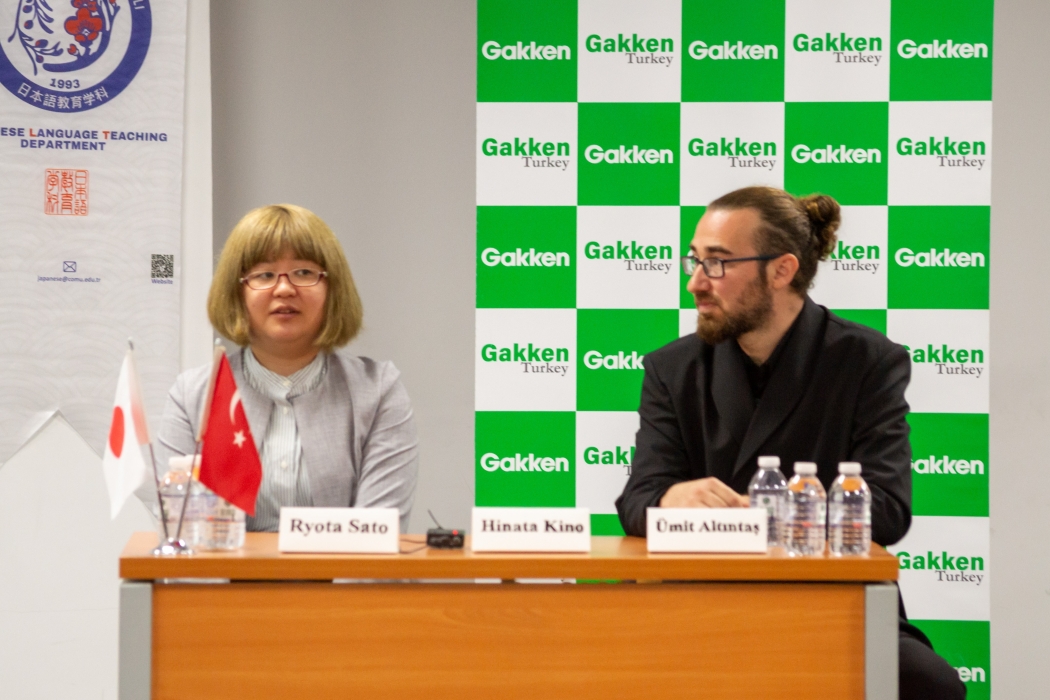
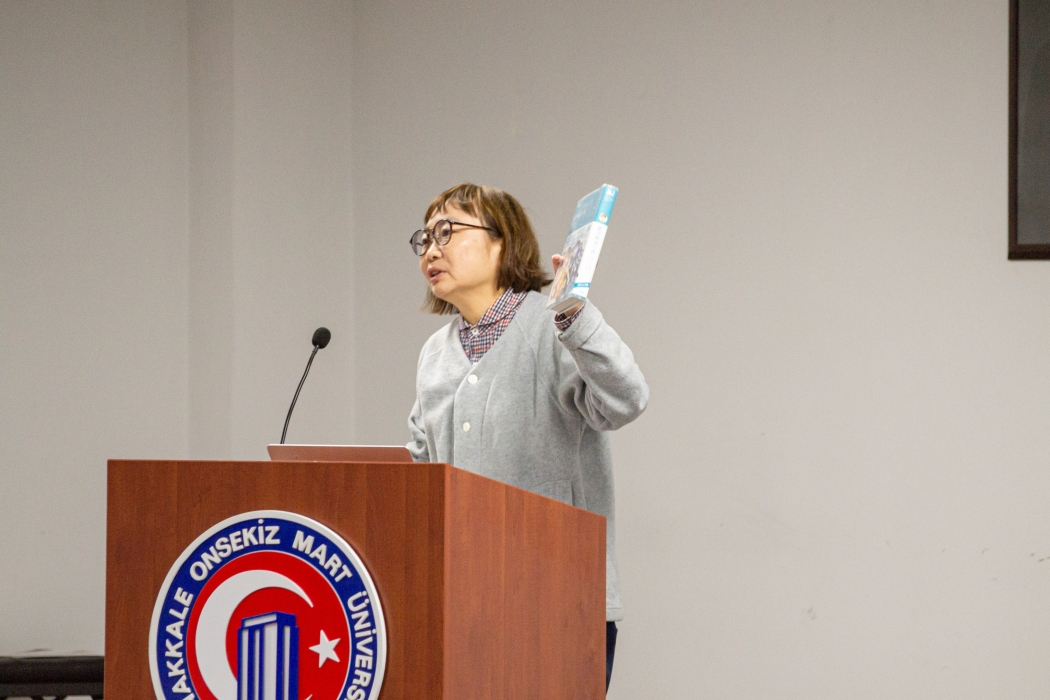
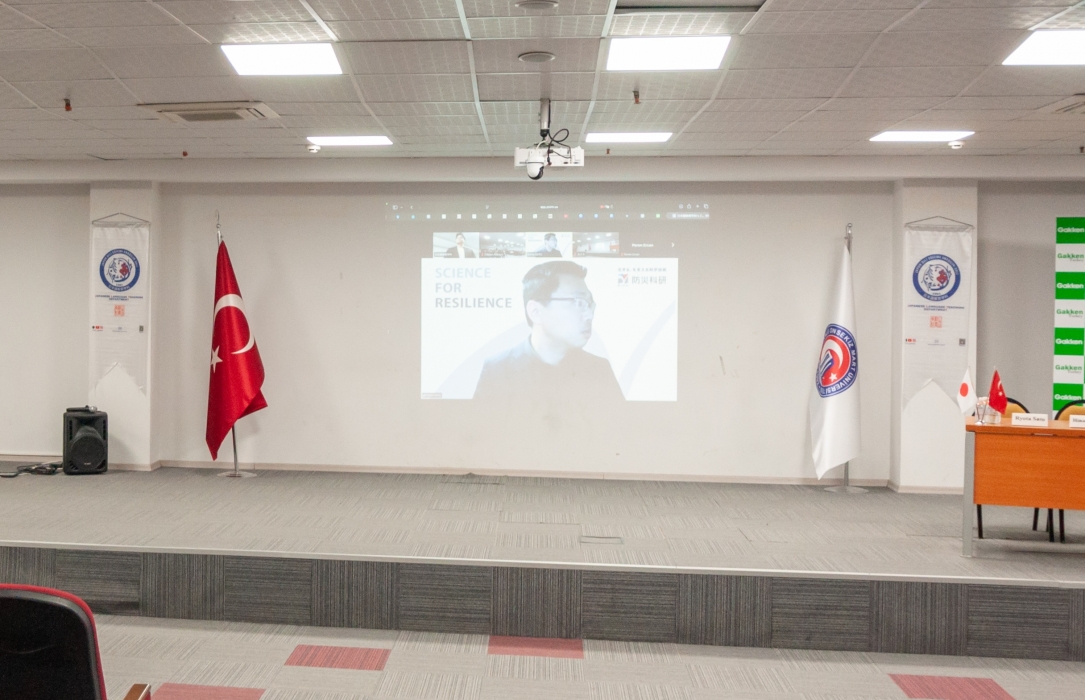
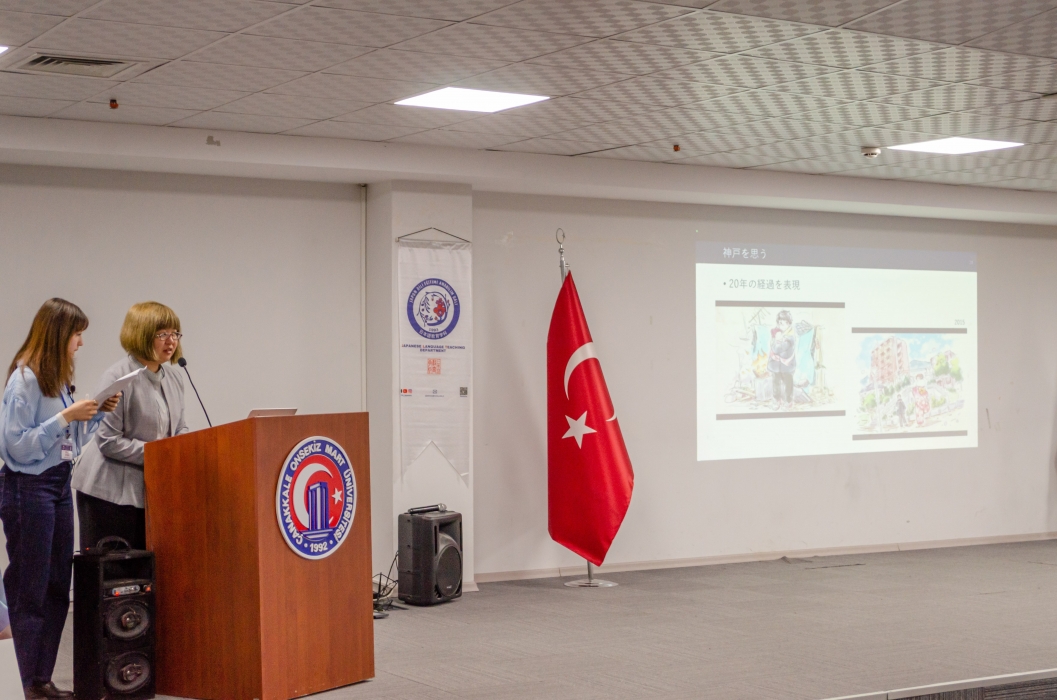
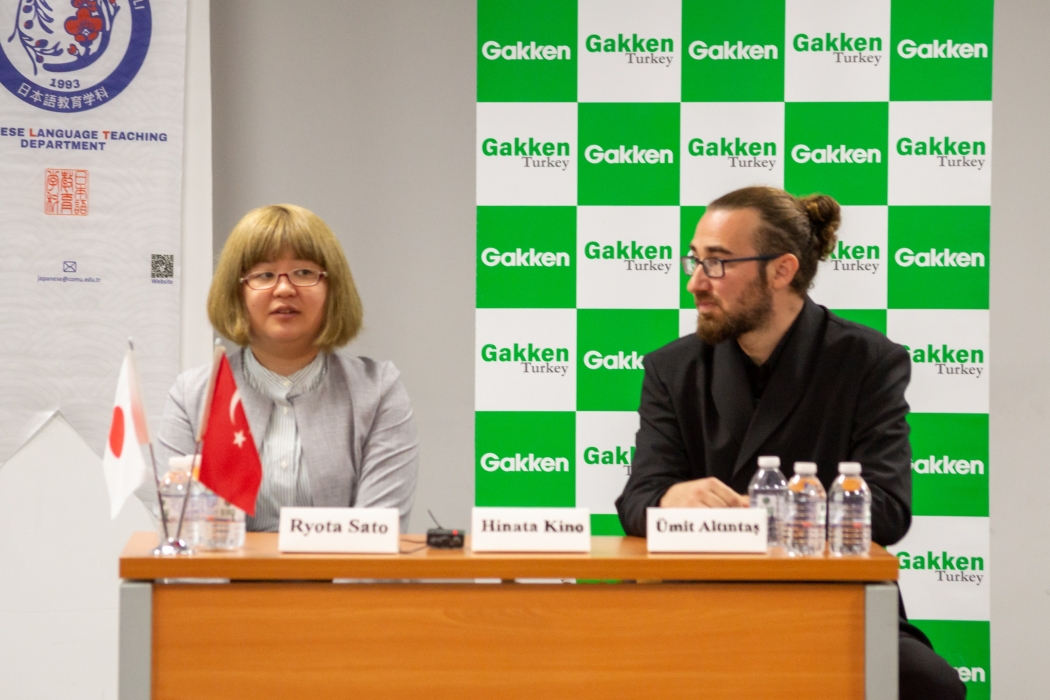
Dr. Ryota Sato (National Research Institute for Earth Science and Disaster Resilience - NIED, Japan): Discussed Japan's expertise in compiling, visualizing, and communicating information for disaster management and resilience research.
Hinata Kino (Manga Artist): Explored the process of crafting disaster-themed narratives and conveying them to readers from an artist's perspective.
Ümit Altıntaş (ÇOMÜ LEE) & Prof. Dr. Tolga Özşen (ÇOMÜ): Analyzed the experiences of volunteer Japanese interpreters following disasters and discussed the design of educational materials for future disaster relief interpreters.
Session II:
Peren Ercan (Literary Translator): Addressed Manga culture in Türkiye and the structural challenges faced by manga translators.
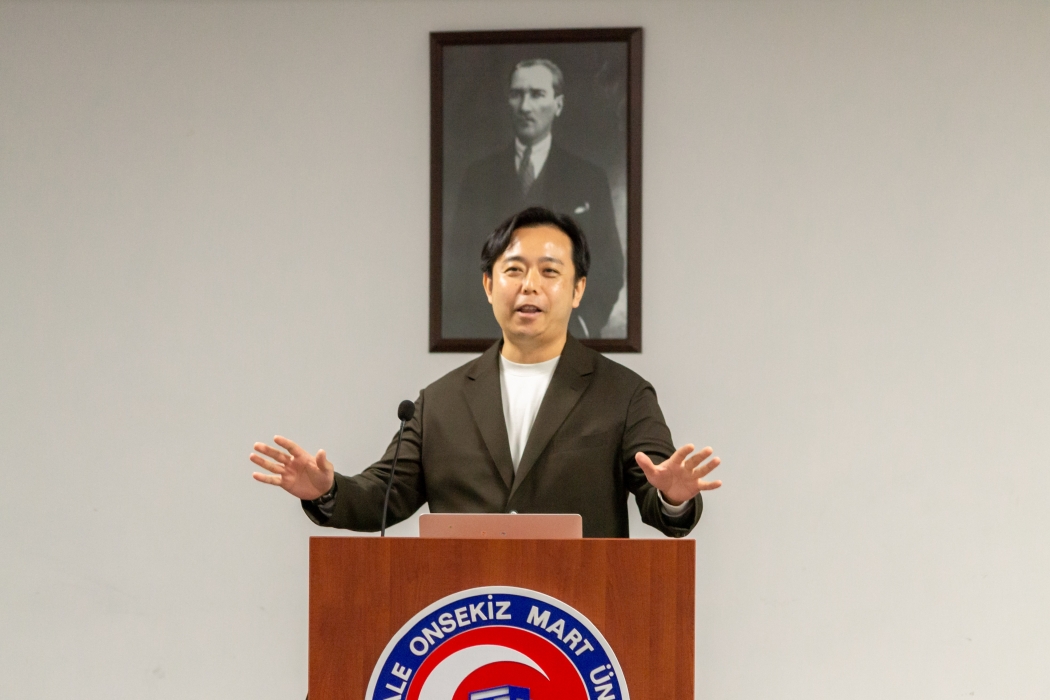
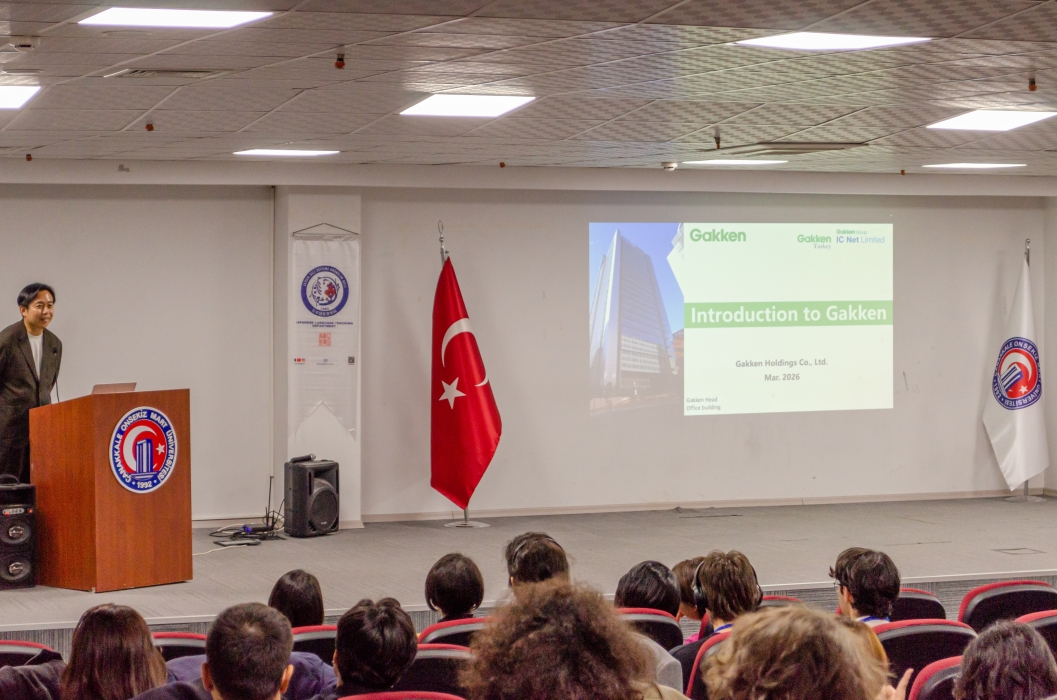
Kei Hatanaka (Gakken Türkiye): Outlined the educational policies and services of Gakken Holdings and Gakken Türkiye.
Asst. Prof. Dr. Melek Çelik (ÇOMÜ): Focused on sustainability in international collaborations and establishing academic/cultural partnerships through popular culture.
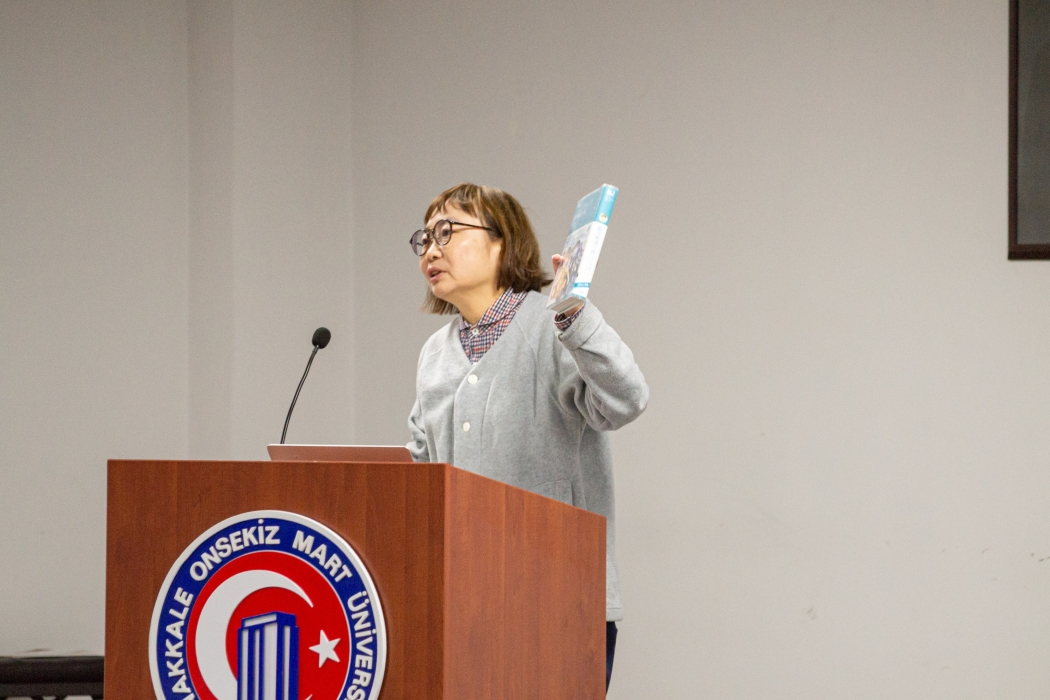
Naoko Takano (Gakken Japan): Presented the international development of the "Manga Junior Classics" series, focusing on the use of Manga in education and publishing sector collaborations.
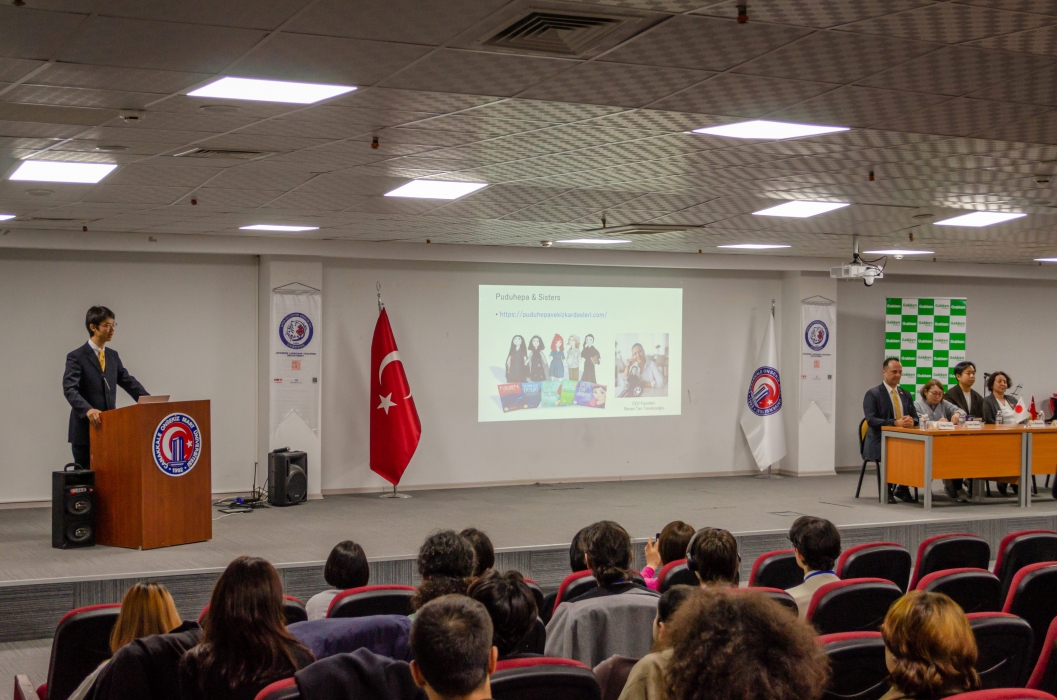
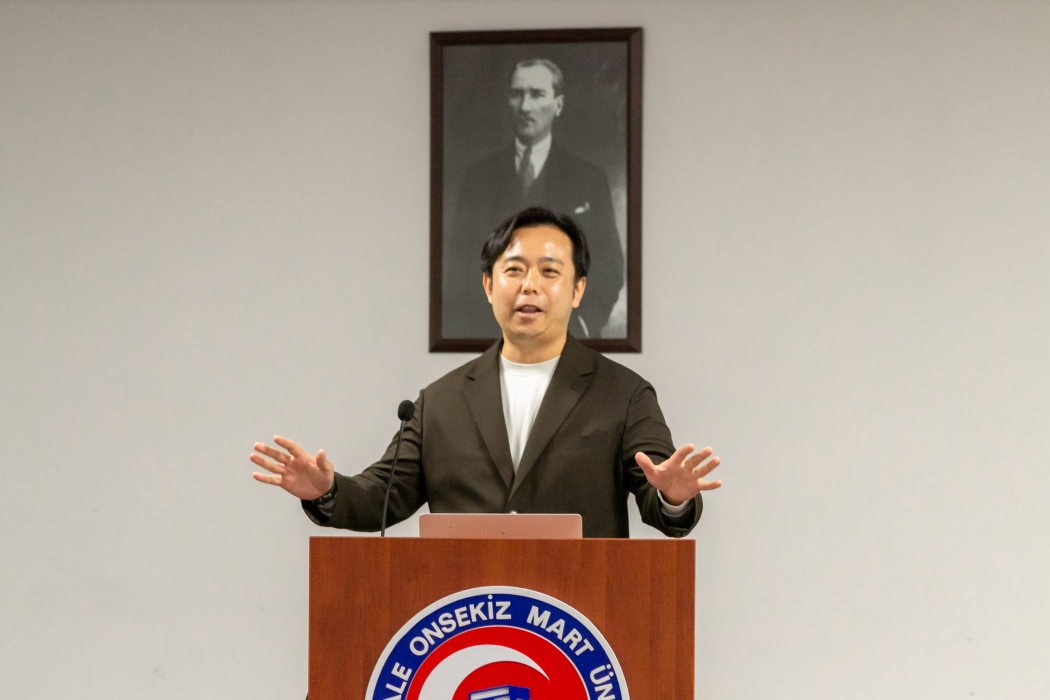
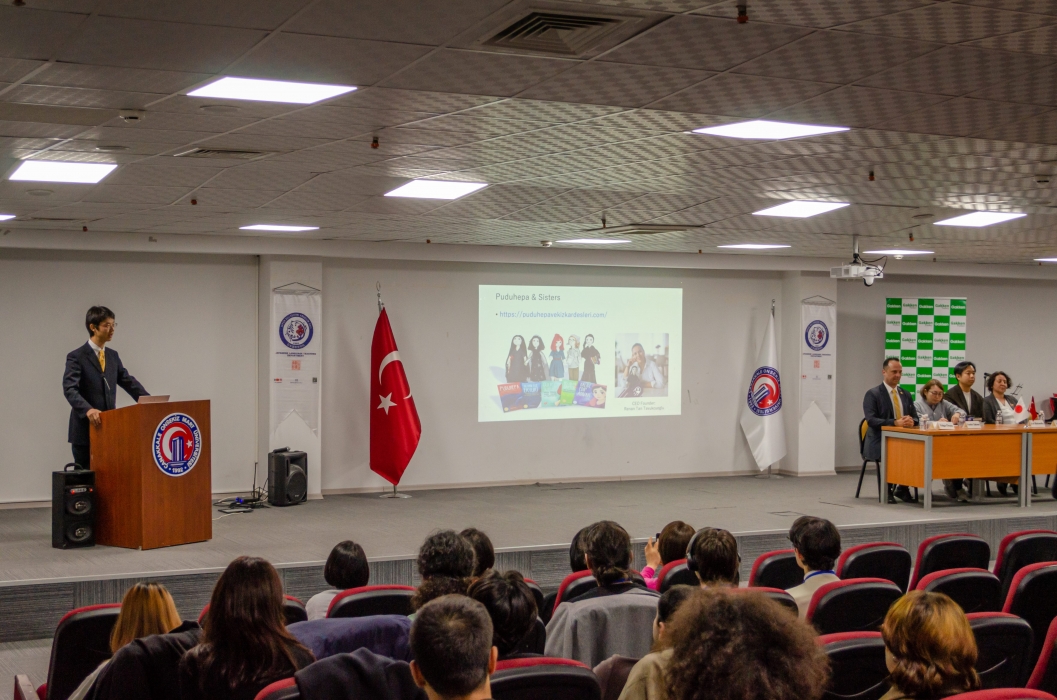
Dr. Tetsuya Mihara (University of Tsukuba): Detailed the "PUDUHEPA Project," which involves preparing Turkish cultural values as Japanese Manga.
Prof. Dr. Tolga Özşen (ÇOMÜ): Discussed the "Japanization" of Turkish cultural elements and their transformation into collaborative Türkiye-Japan projects.
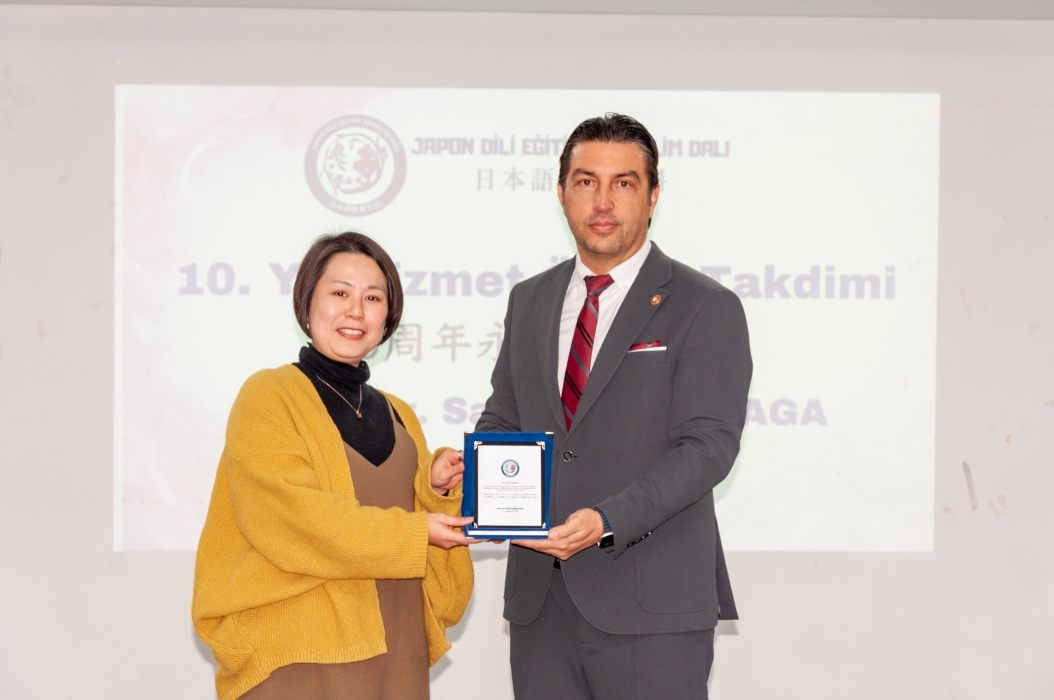
At the conclusion of the conference, a plaque of appreciation was presented to Lecturer Sayako Tokinaga for her 10 years of service to the department, and certificates were awarded to all guests for their valuable contributions.
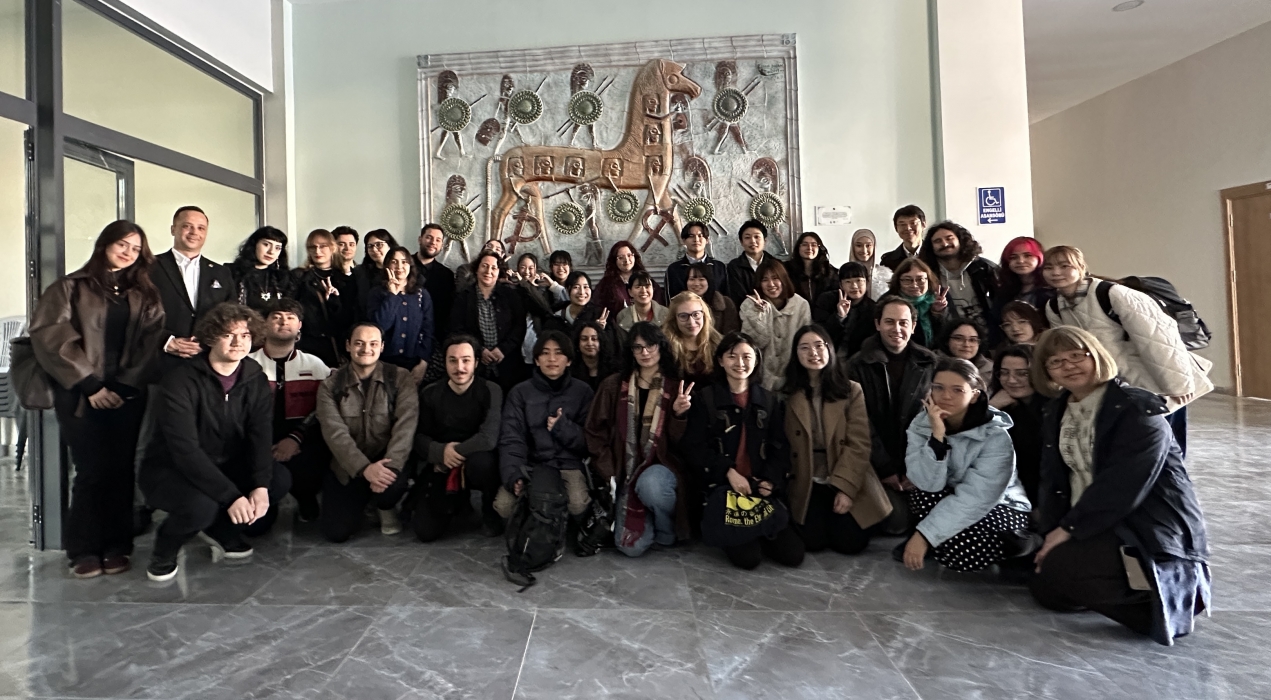
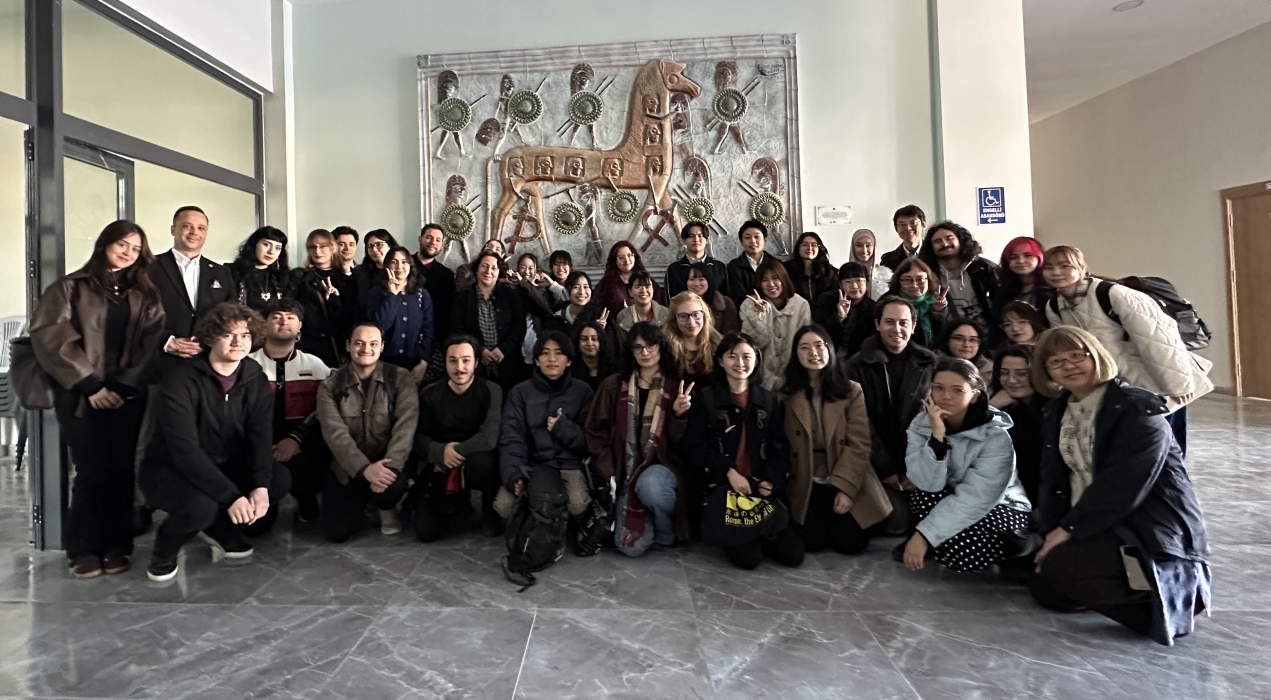
In the final phase of the event series, the visiting delegation and students had the chance to experience the historical and cultural fabric of Çanakkale firsthand. Accompanied by student guides, the group visited the Çanakkale city center and the ancient city of Troy, a UNESCO World Heritage site. This cultural tour served as a meaningful closing ceremony, strengthening the bonds of friendship formed during the academic and artistic sessions.
This three-day series of events once again demonstrated the success of the ÇOMÜ Department of Japanese Language Education in fulfilling its mission to build academic, artistic, and cultural bridges between Türkiye and Japan.
We would like to express our sincere gratitude to:
Dr. Tetsuya Mihara (Transborder Manga Research Group, University of Tsukuba)
Naoko Takano (Gakken Holdings Japan)
Kei Hatanaka (Gakken Türkiye)
Hinata Kino (Manga Artist)
Dr. Ryota Sato (NIED, Japan)
Peren Ercan (Translator)
Ümit Altıntaş (Japanese Language Education Graduate Program)
Asst. Prof. Dr. Melek Çelik
Yukari Yoshihara (University of Tsukuba)
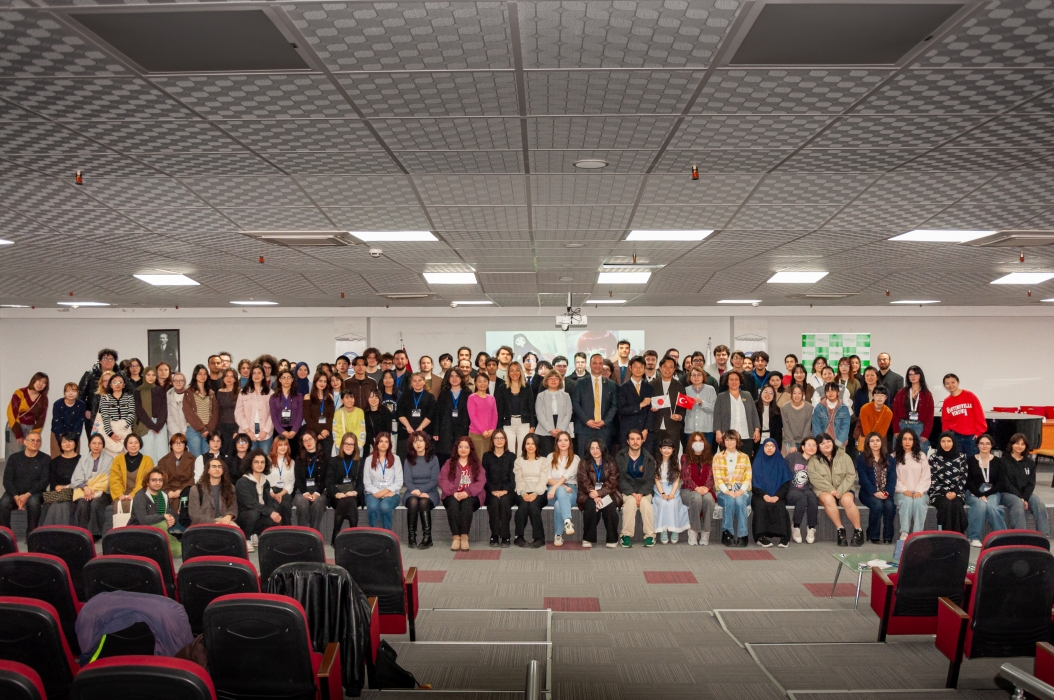
Special thanks also go to the 29 students from our department and members of the Turkish-Japanese Friendship Club for their efforts in organizing this event.
 Japon Dili ve Kültürü Araştırma Seyahati Gerçekleştirildi
  29. Japon Günleri Açılış Özel Programı