
Çanakkale Onsekiz Mart Üniversitesi
Japon Dili Eğitimi Anabilim Dalı
(以下、日本語)
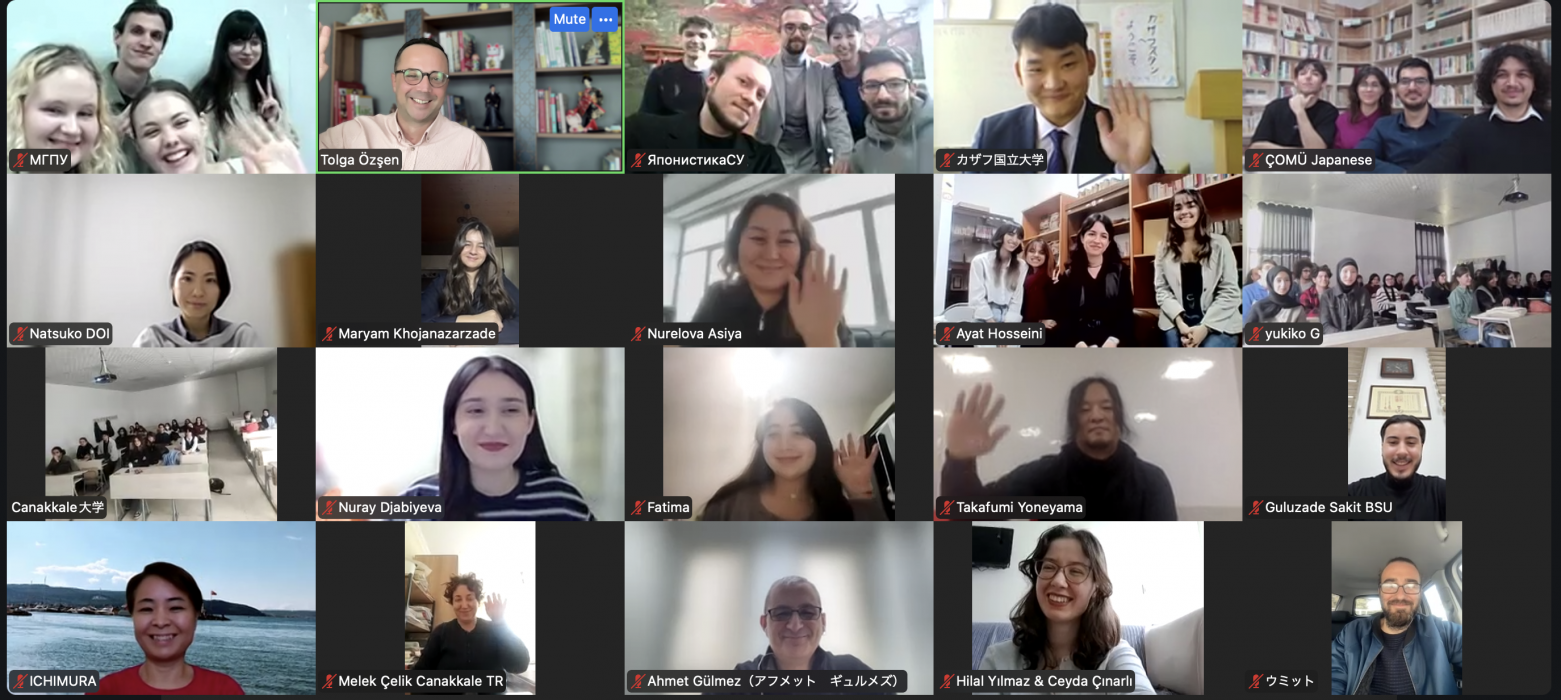
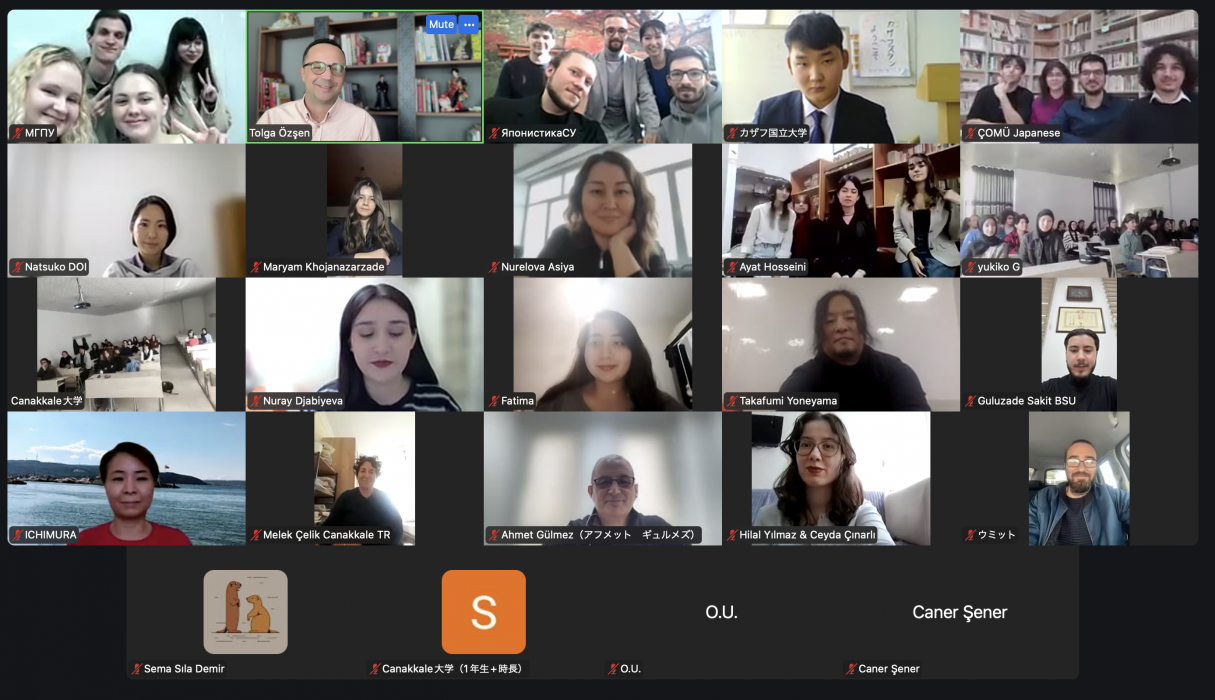
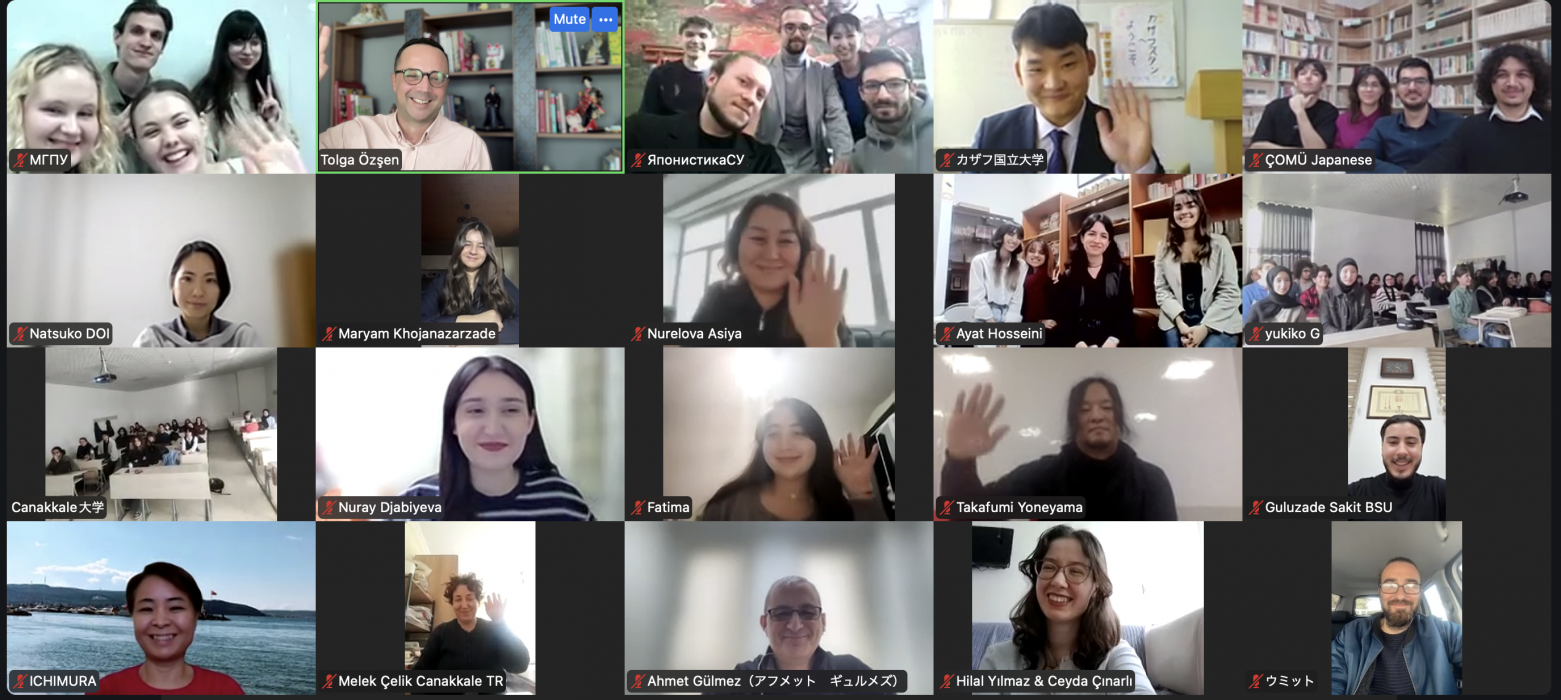
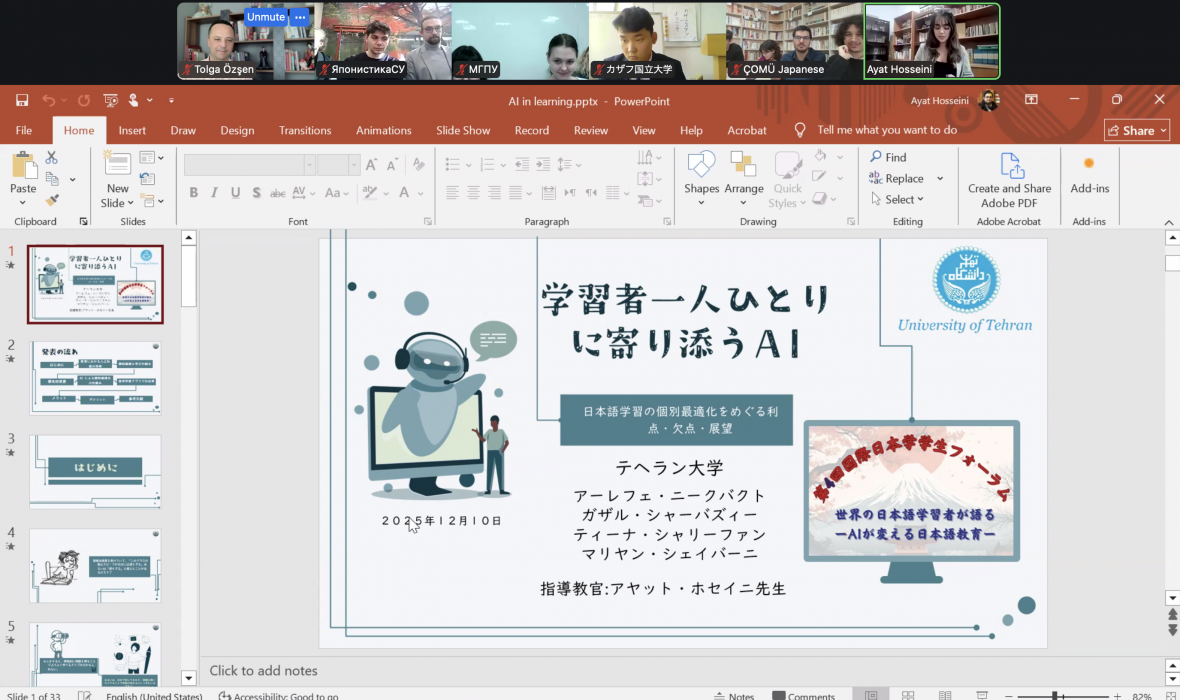
The 4th International Japanese Studies Student Forum was successfully held on Tuesday, December 10, 2025.
Serving as a strong example of academic cooperation, the forum was hosted by its founding members: ÇOMÜ (Turkey), Sofia University St. Kliment Ohridski (Bulgaria), Moscow City University (Russia), and Al-Farabi Kazakh National University (Kazakhstan). This year, the forum expanded its reach, welcoming participants from Baku State University (Azerbaijan) and the University of Tehran (Iran), bringing the total participation to six countries.
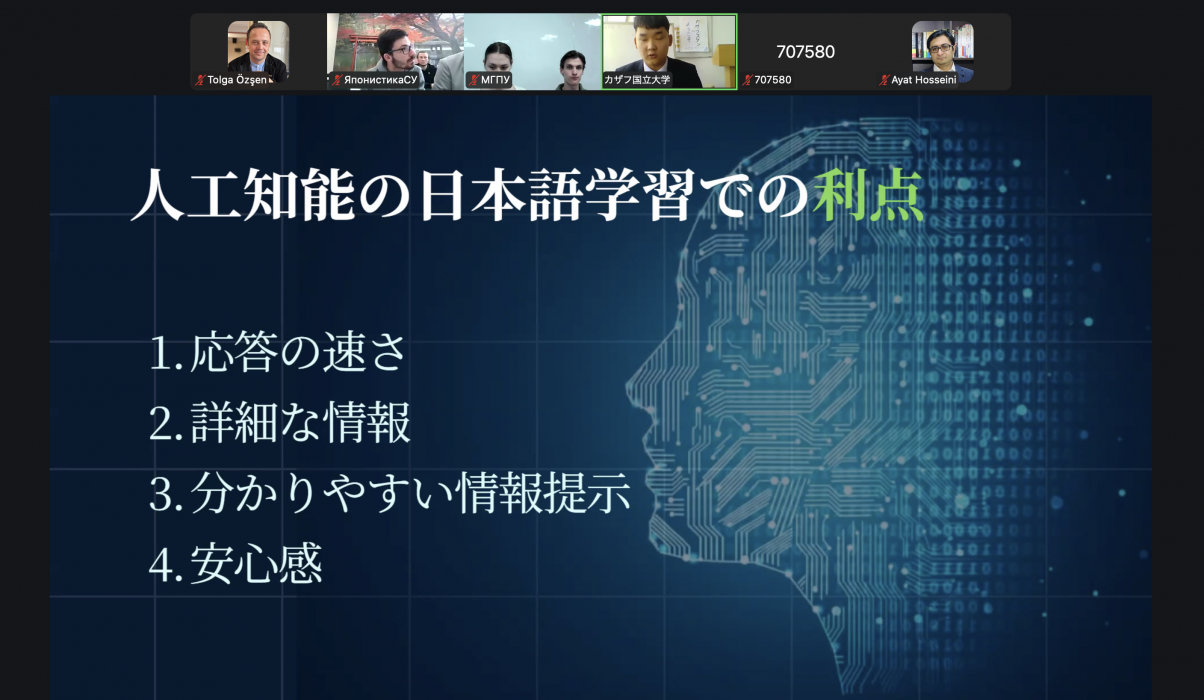
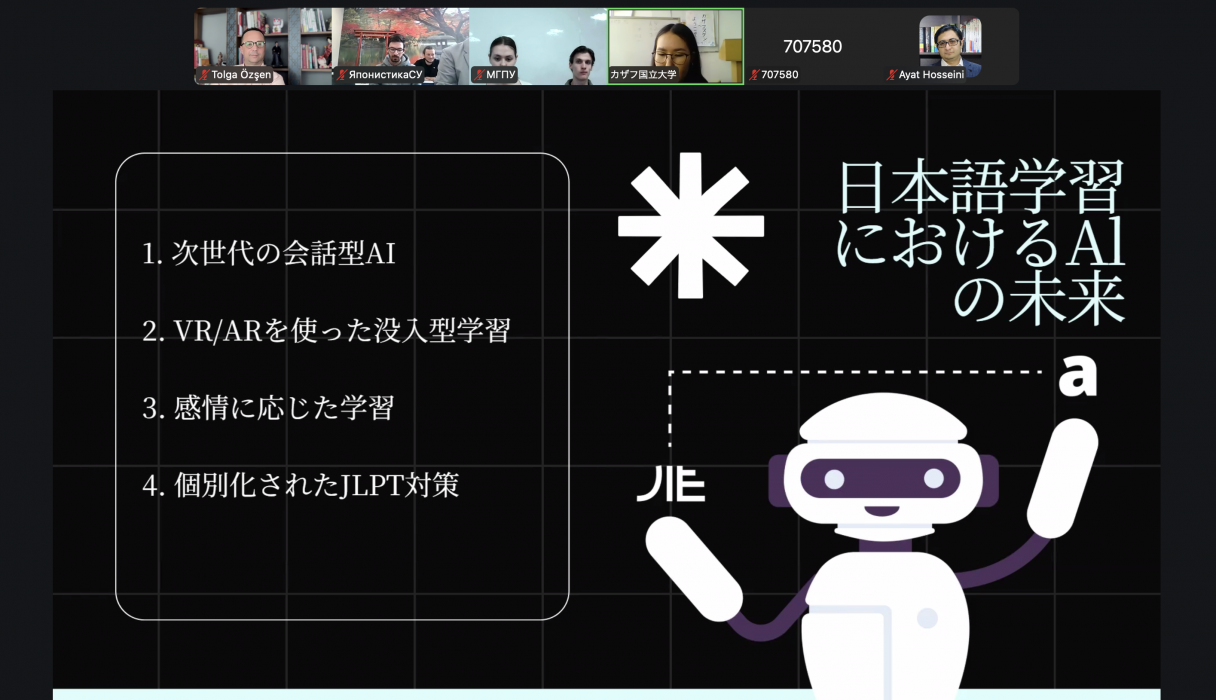
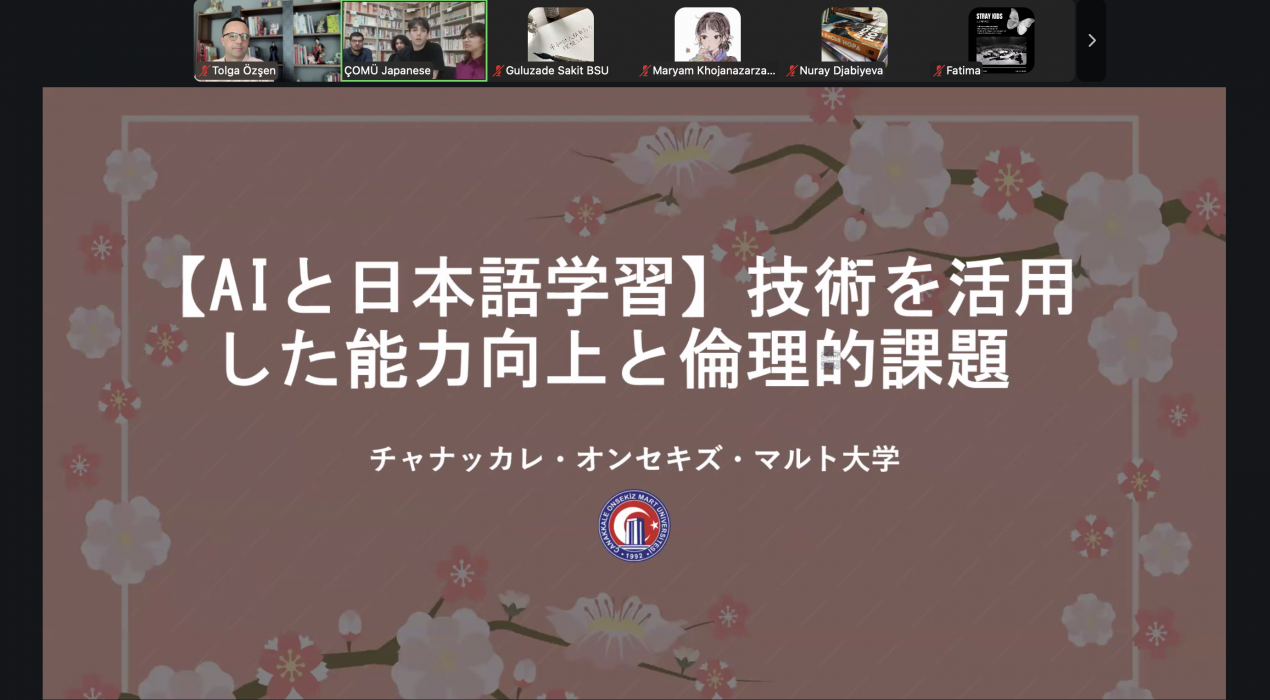
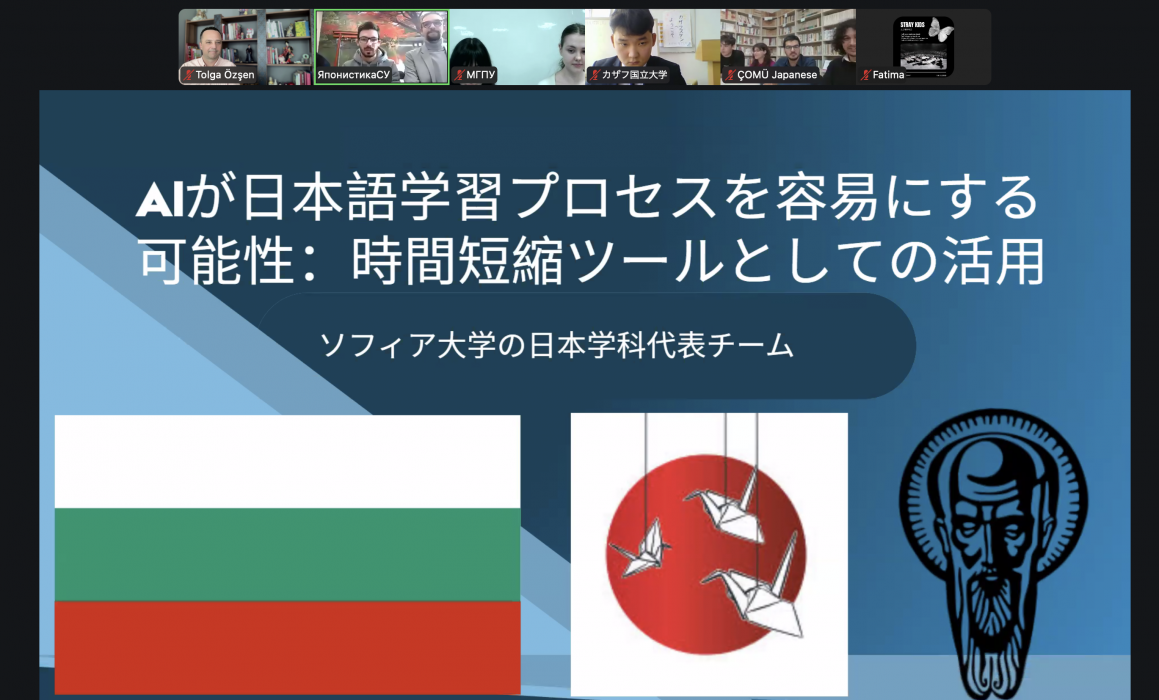
This year's main theme was Artificial Intelligence (AI) and its role in the Japanese language learning process—one of the most critical topics in contemporary education. Throughout the event, a total of 24 Japanese Studies students from the six participating countries had the opportunity to present their research and share their experiences.
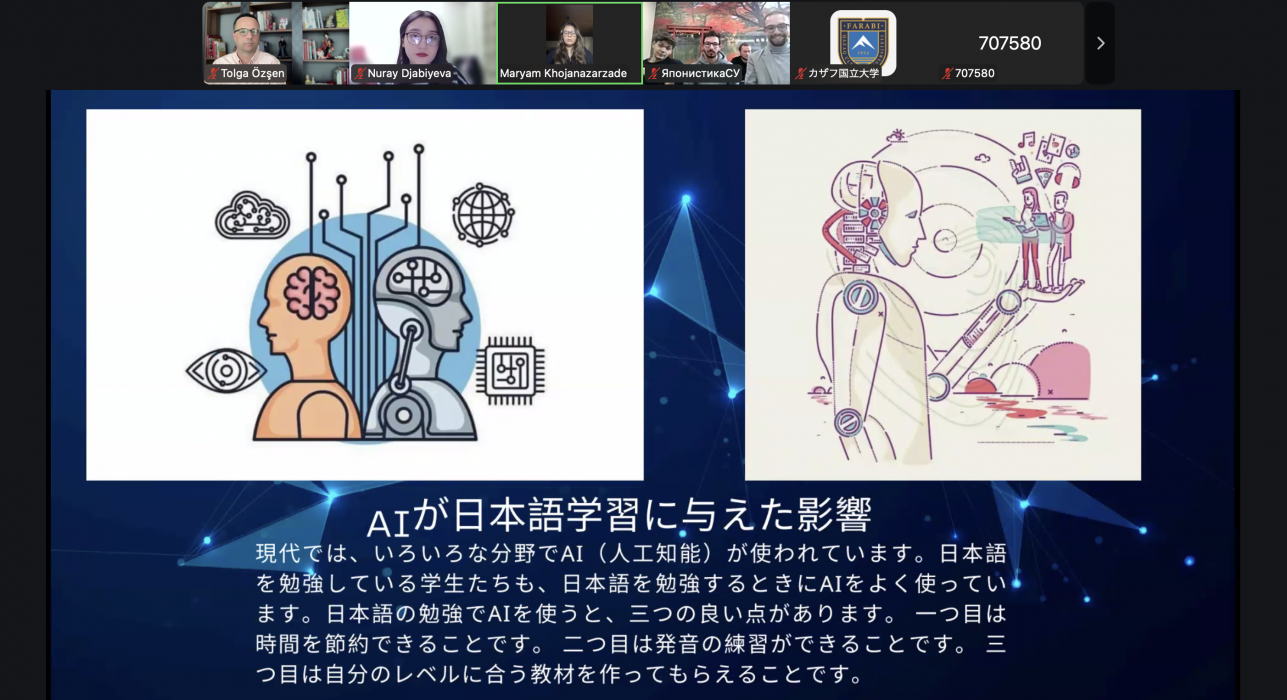
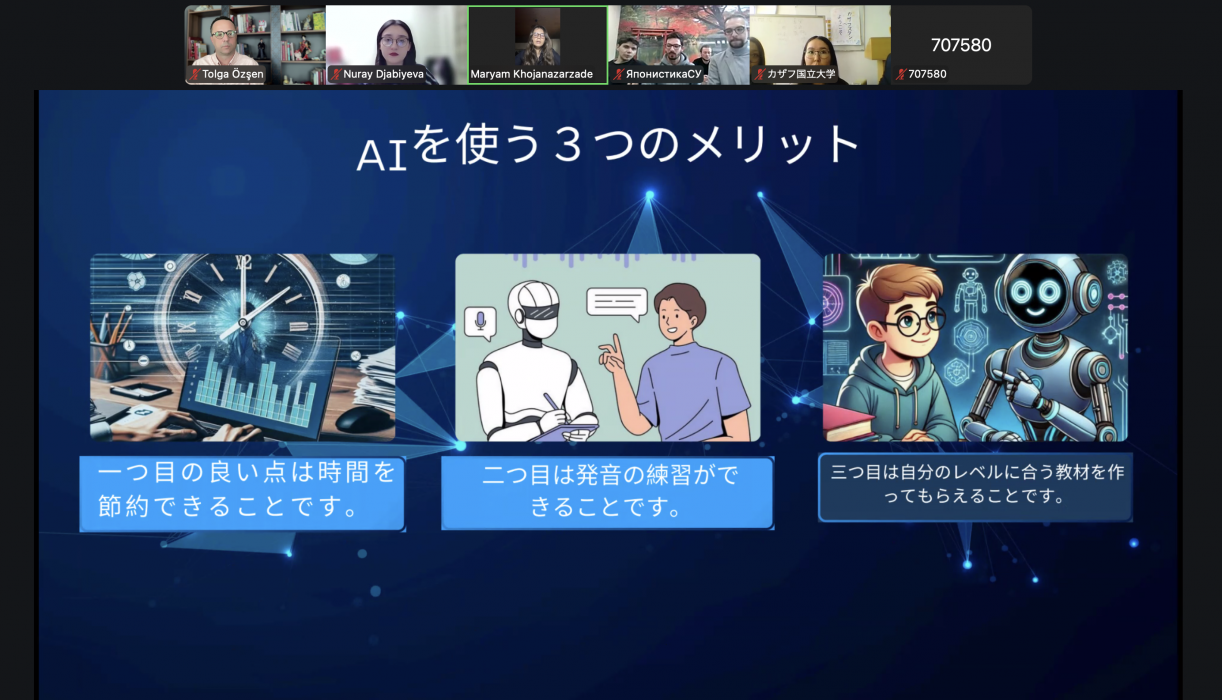
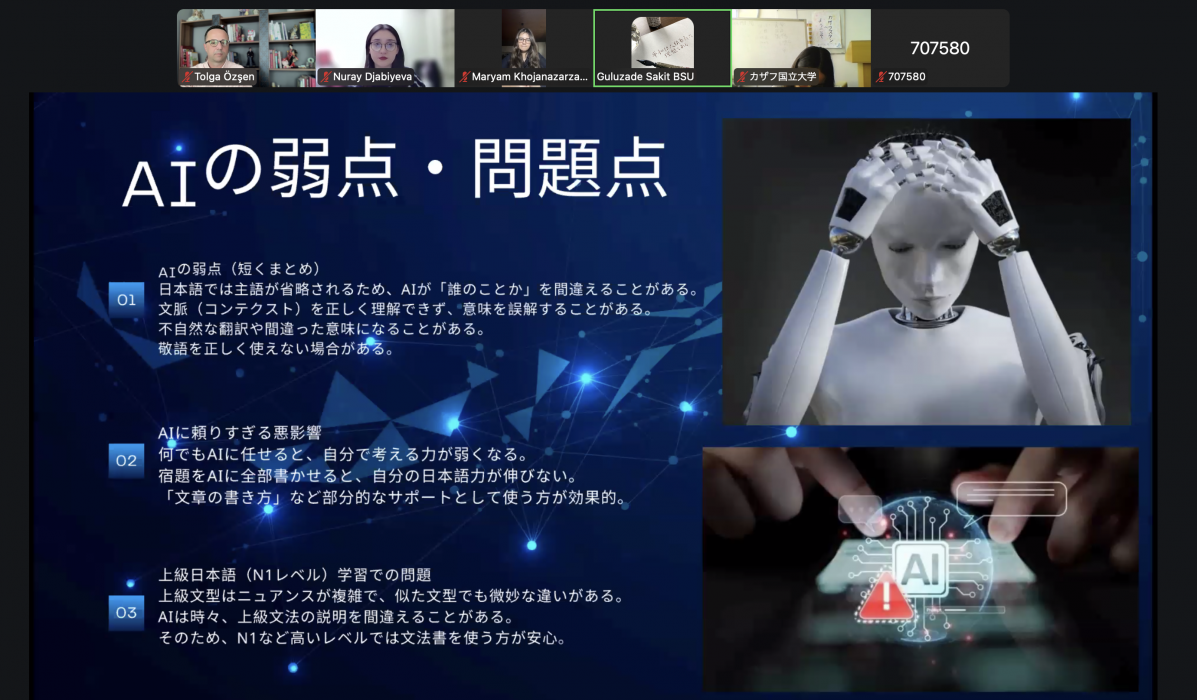
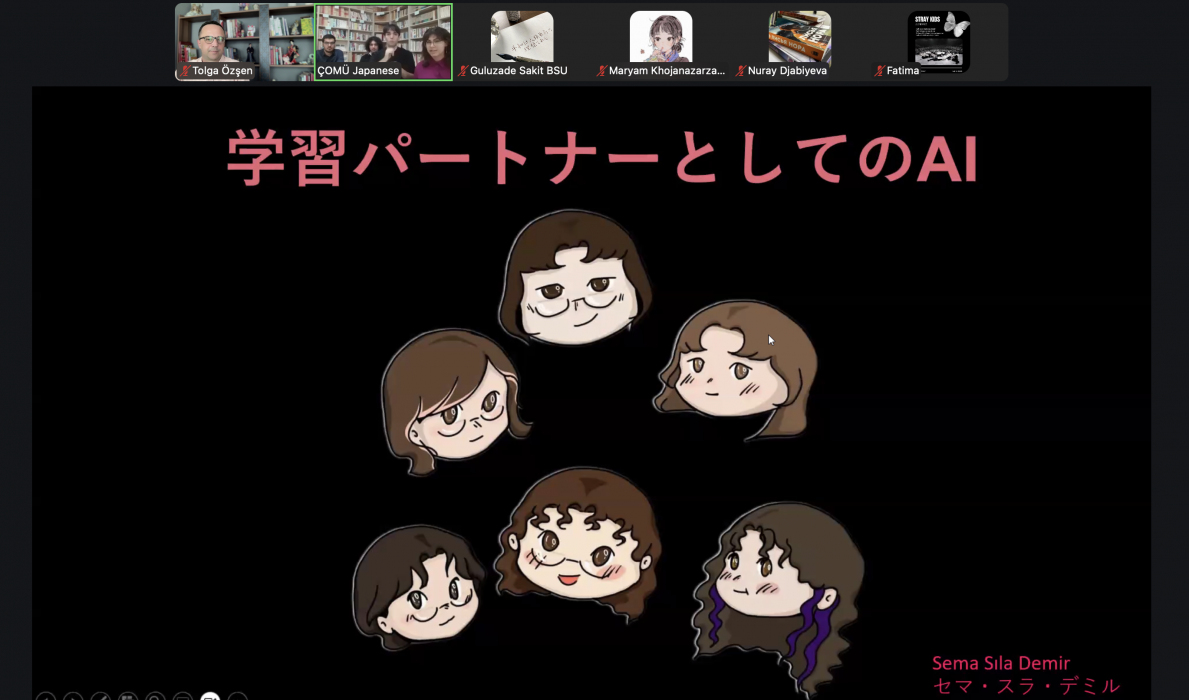
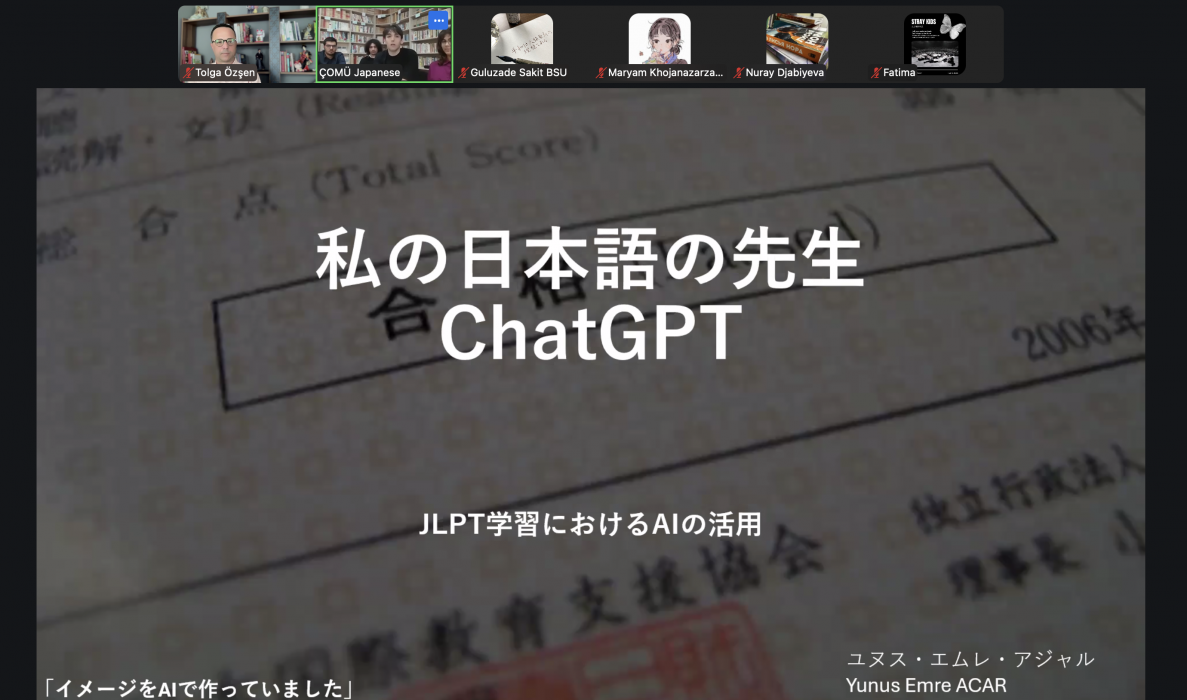
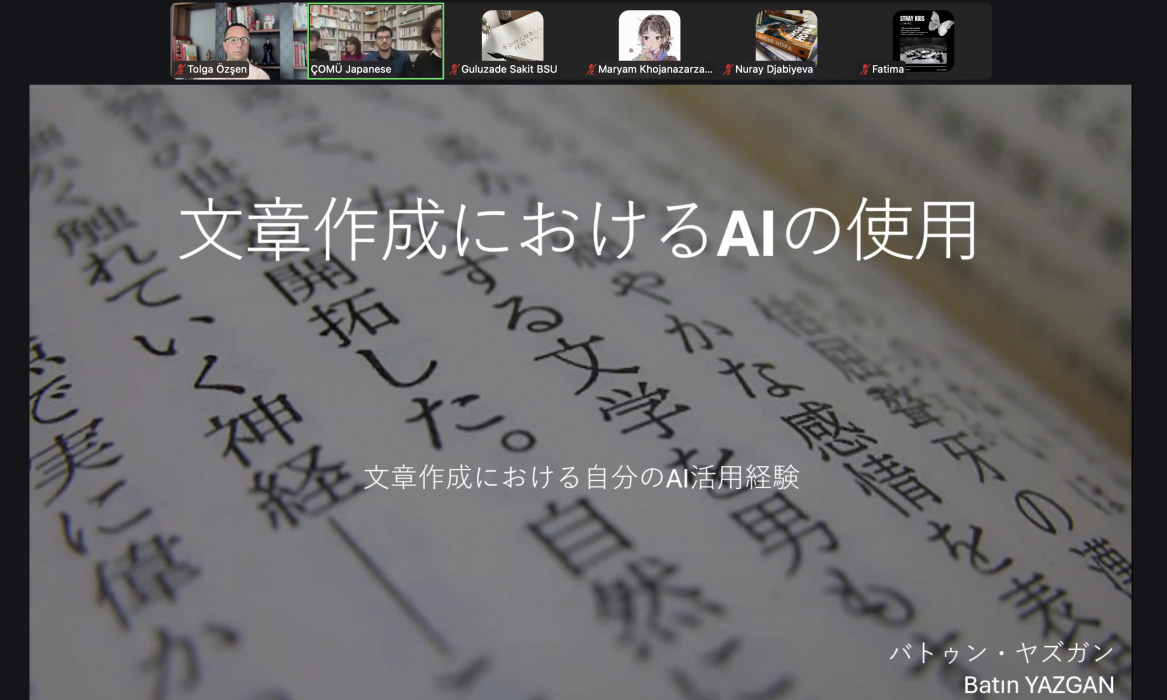
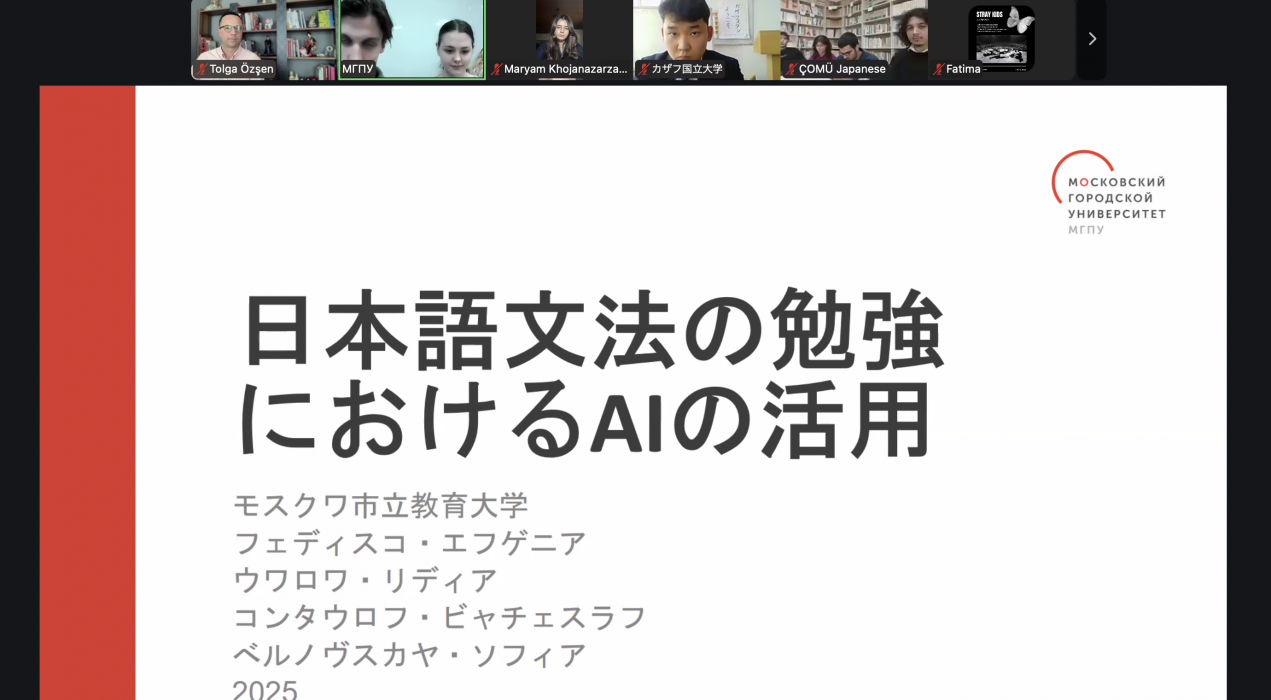
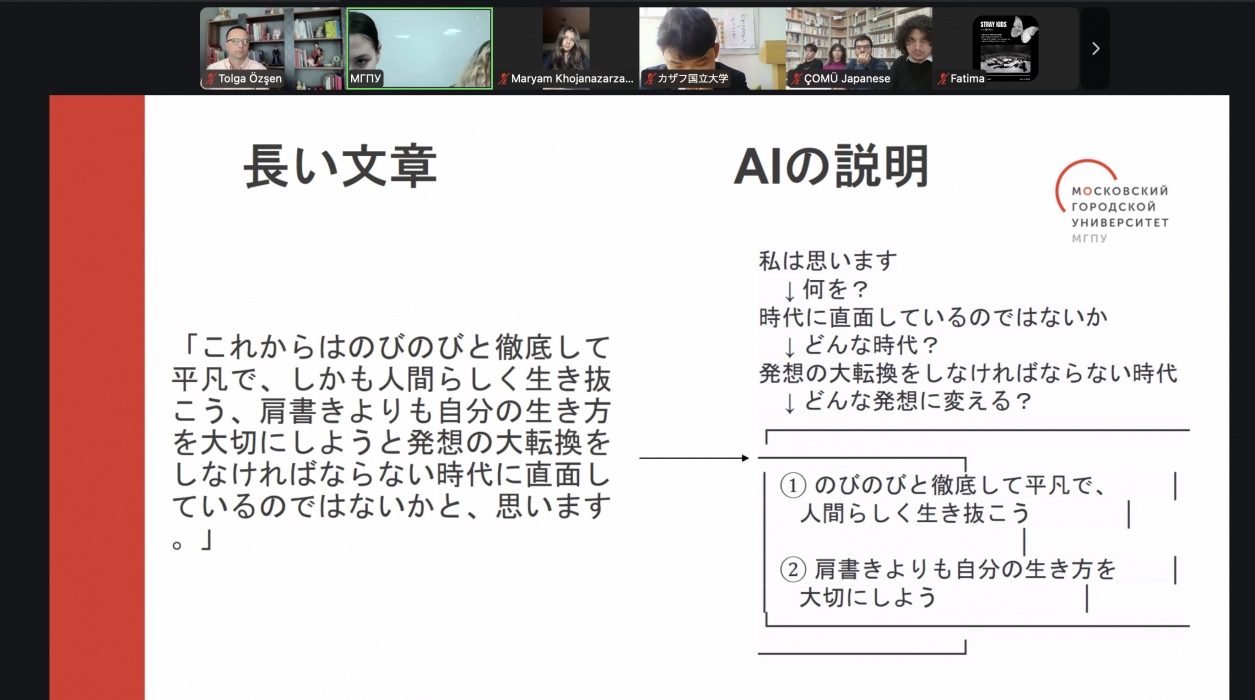
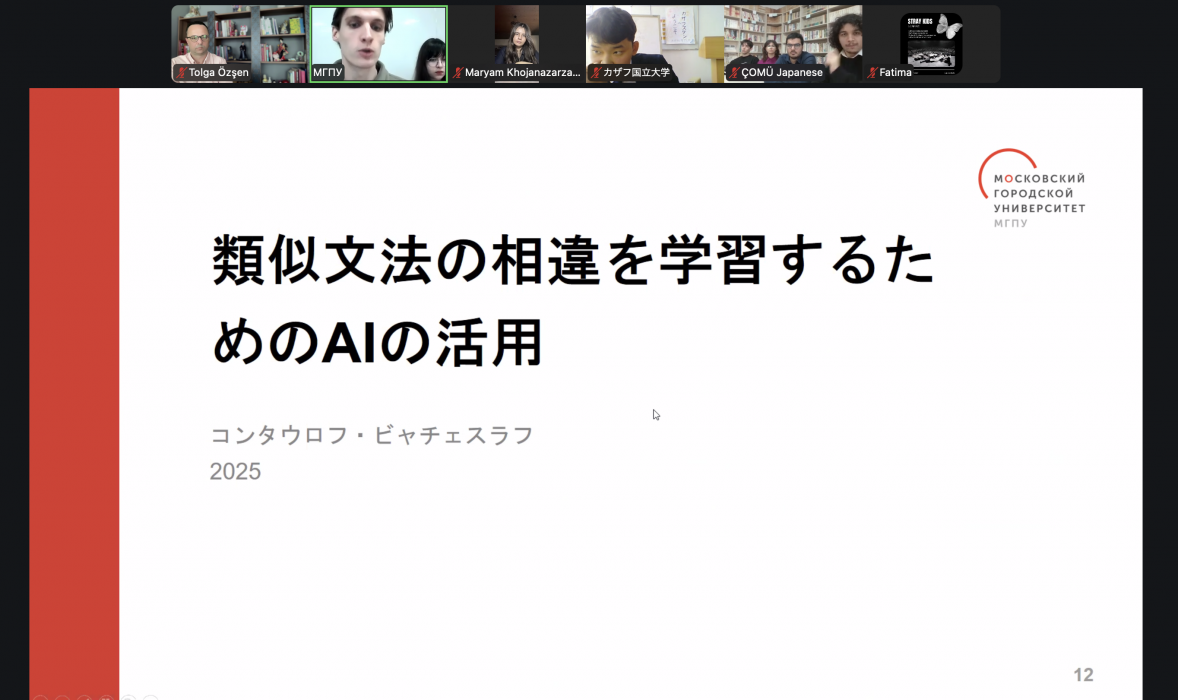
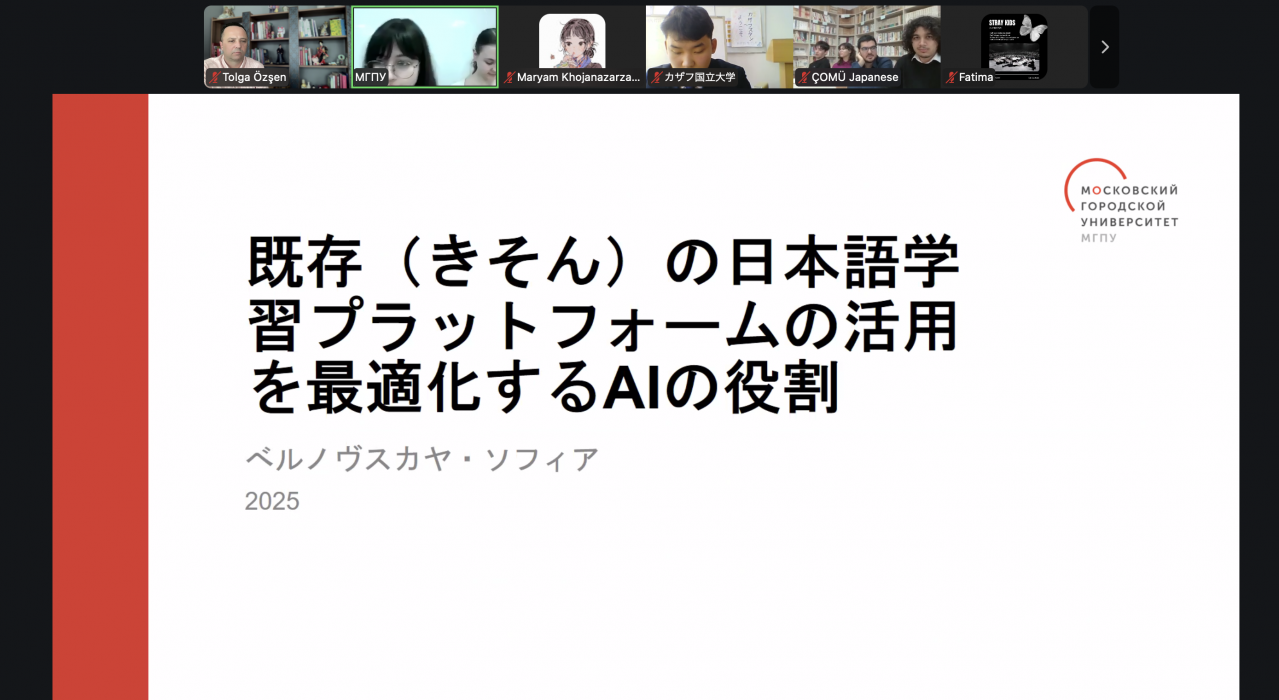
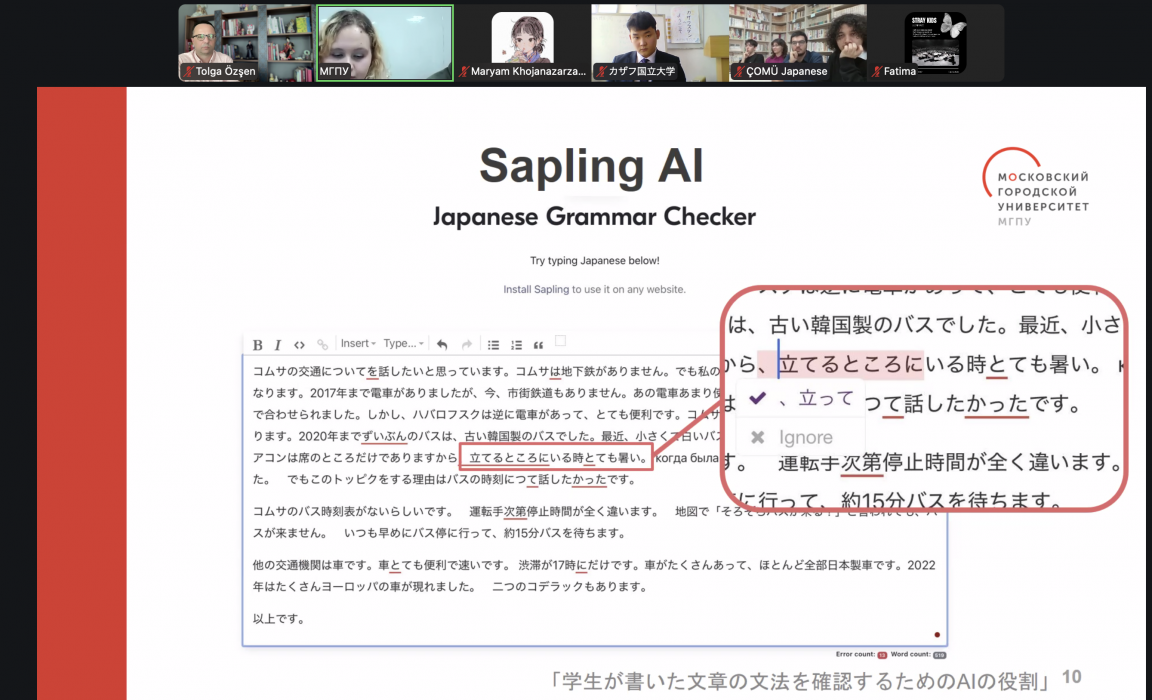
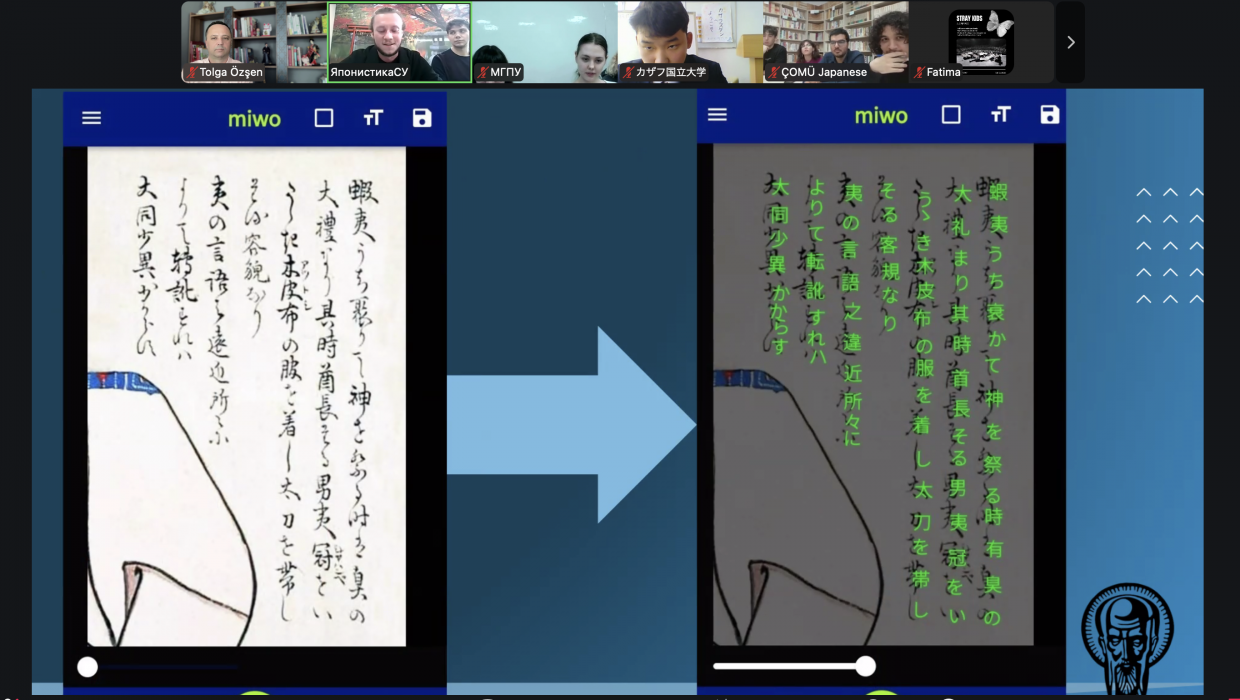
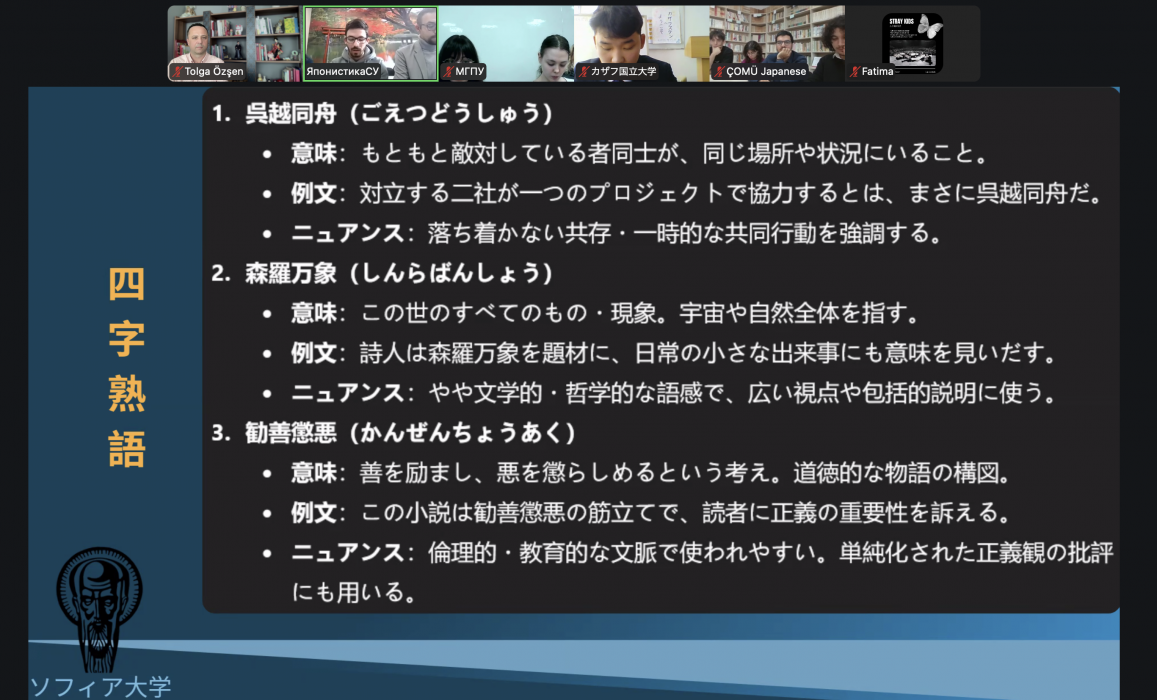
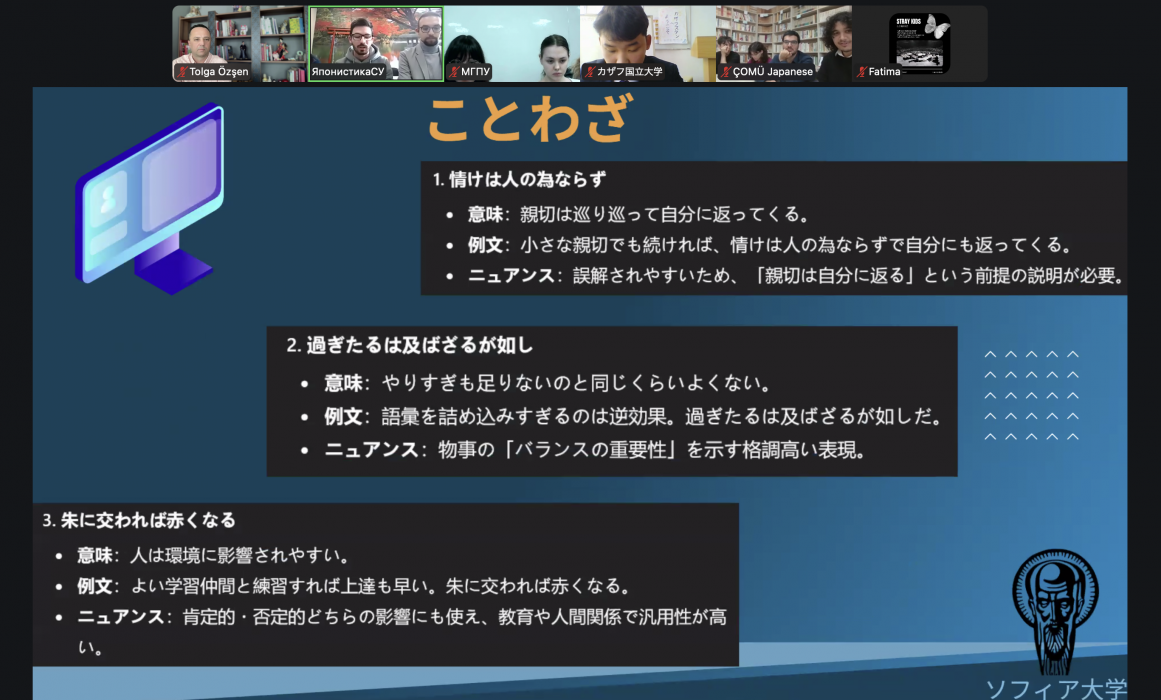
Student presentations adopted a multidimensional approach to examining AI's role in Japanese education. This included detailed examinations of AI's contribution to the development of the four core Japanese language skills (listening, speaking, reading, and writing), the use of current mobile applications for Japanese learning, and methods of utilizing AI tools in preparation for the Japanese Language Proficiency Test (JLPT).
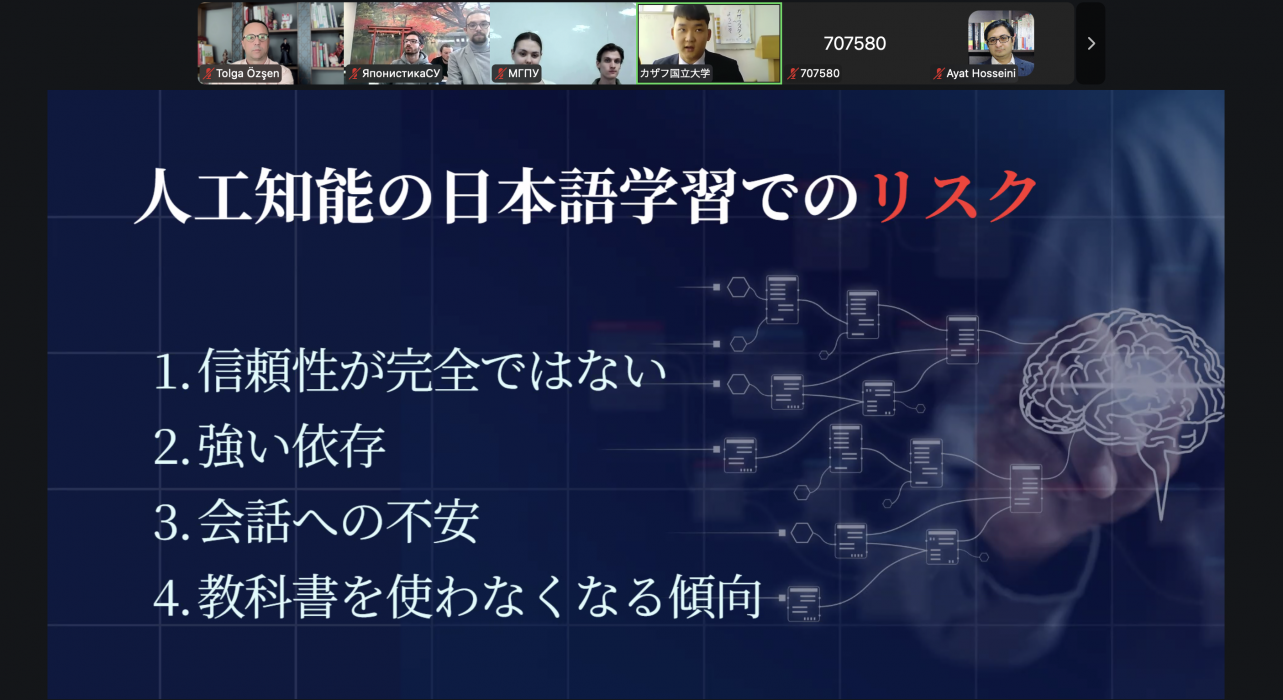
While emphasizing the utility of AI in learning, the Japanese Studies students also included important ethical warnings. In their presentations, they underscored the necessity of avoiding “AI dependency” while learning Japanese and strictly observing principles of academic integrity in scholarly work. They noted that this approach represents a critical step in minimizing and preventing the many risks that can arise from the use of artificial intelligence.
当学科が設立メンバーを務める第4回国際日本研究学生フォーラムが、2025年12月10日火曜日にオンラインプラットフォーム上で開催されました。
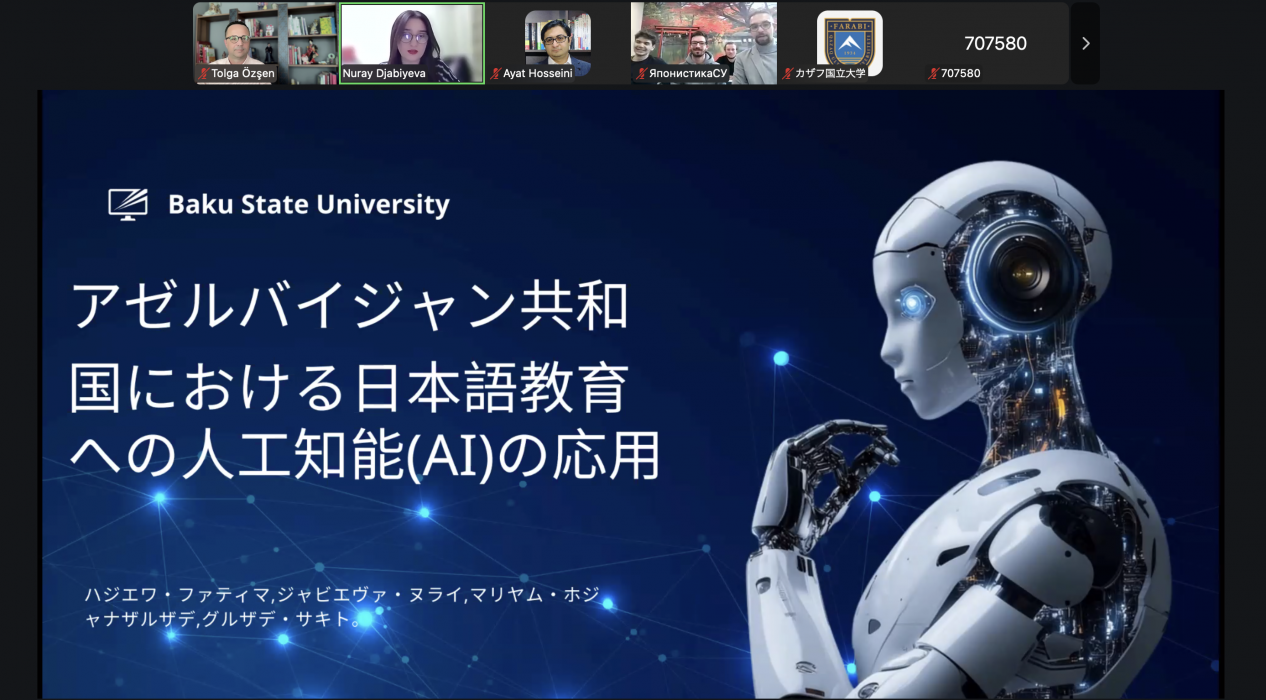
強固な学術協力を示す本フォーラムは、設立メンバーであるチャナッカレ・オンセキズ・マルト大学(ÇOMÜ、トルコ)、ソフィア大学聖クリメント・オフリツキ(ブルガリア)、モスクワ市立大学(ロシア)、アル・ファラビ・カザフ国立大学(カザフスタン)の主催により行われました。今年は新たにバクー国立大学(アゼルバイジャン)とテヘラン大学(イラン)が加わり、合計6カ国からの参加がありました。
今年のフォーラムの主要テーマは、現代教育における最も重要なトピックの一つである人工知能(AI)と、この技術が日本語学習プロセスにおいて果たす役割でした。イベント期間中、6カ国から集まった総勢24名の日本研究学生が、自身の研究成果と経験を発表する機会を得ました。
学生の発表では、AIが日本語教育で果たす役割が多角的に検証されました。具体的には、AIが聞く、話す、読む、書くという日本語の4つの基礎能力の向上にどのように貢献するか、日本語学習向けの最新モバイルアプリケーションの利用法、そして日本語能力試験(JLPT)対策におけるAIツールの活用方法などが詳細に検討されました。
日本研究の学生たちは、AIの学習における有用性を強調しつつも、重要な倫理的な警告も発しました。発表の中で彼らは、日本語学習中に「AI依存」を避けること、また学術研究においてアカデミック・インテグリティ(学問的な誠実さ)とを厳守することの必要性を強調しました。この姿勢こそが、AI利用から生じる可能性のある多くのリスクを最小限に抑え、予防するための極めて重要な一歩であると述べられました。



 Japon Dili ve Kültürü Araştırma Seyahati Gerçekleştirildi
  29. Japon Günleri Açılış Özel Programı